AxS
Number 4
Ruby Tandoh wrote an afternoon tea guide for Vittles which was released last week. Vittles has long declared afternoon tea in London to be a complete scam and they're on the money. For something that costs the best part of £100 per person, nothing is cooked to order and the format breeds a complacency borne of the fact that the majority of guests never come back (read tourists), so venues are able to deliver mediocre food at exorbitant prices. To test the magazine's claim, Tandoh visited 18 London afternoon tea venues in a single month, a feat of constitution and commitment well beyond mine. I do, however, admire primary research when it comes to such endeavours.
It matters, because for many tourists, this is their abiding memory of London food, and British food already takes an unfair battering. The individual reviews are an entertaining read and in a few cases, damning indictments. The scones at The Ritz were declared 'unforgivable'.
Tandoh's ultimate conclusion is that it isn't always a scam but only a few places do it well. Read the full list and her detailed reviews in The Vittles Afternoon Tea Guide. Choose wisely if you must partake and I implore you to avoid the ghastliness of Harrods even though it's the runner up.
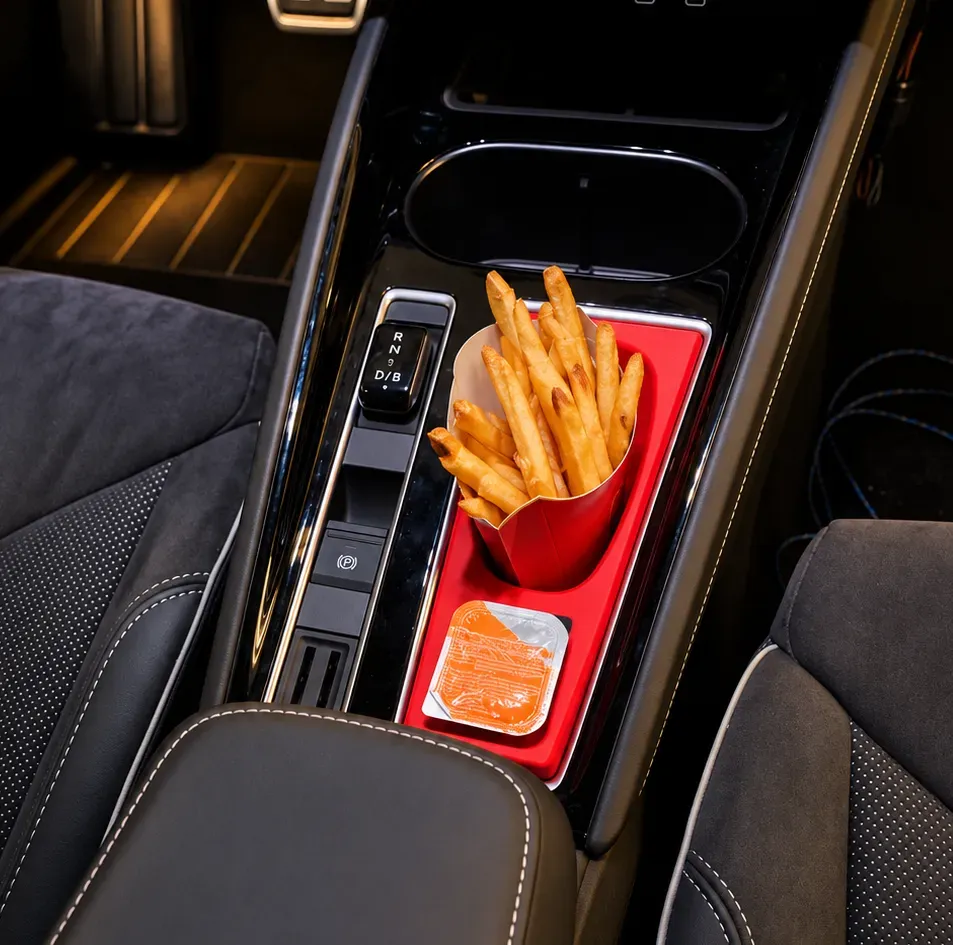
Škoda has developed new 3D-printable open-source accessories which are available via Printables.com. They add functionality and convenience, including cupholders, cable management tools, coin boxes, cap hooks for seat-back pockets, phone brackets and top tether hooks. They're also designed to work across multiple models and I suspect that they'll also work across multiple marques given part sharing in Volkswagen Group.
Many items make use of existing storage compartments without requiring any modification to the vehicle itself. It's an extension of Škoda's "Simply Clever" design ethos: the ice scraper in the fuel cap or the umbrella in the door (although Rolls Royce did it first). Simply Clever used to be built in at the factory. Now it's downloadable. I've always found it refreshing that a marque answerable to the Volkswagen Group, and its accountants, manages to get approval for ideas like these.
Having said that, PLA, the most common 3D filament is plant based but only breaks down after industrial composting. It's afterlife outside of that in compost or landfill is measured in years. PETG and ABS derived from oil are recyclable but most recycle centres won't accept them in the UK as they can't identify the plastic so there is a high probability that this will ultimately end up in landfill.
To be fair, a printed cup holder made at home may well beat one moulded in China and shipped in a blister pack. But the idea works as marketing precisely because it encourages people to make more things, and that is marketing's oldest contribution to landfill. The more interesting possibility is repair. If Škoda published printable replacements for the small plastic parts that break, like clips, covers and cupholder inserts, owners could keep cars on the road for longer without the cost or wait associated with official spares. That would be genuinely clever with real environmental benefit. The accountants would hate it.
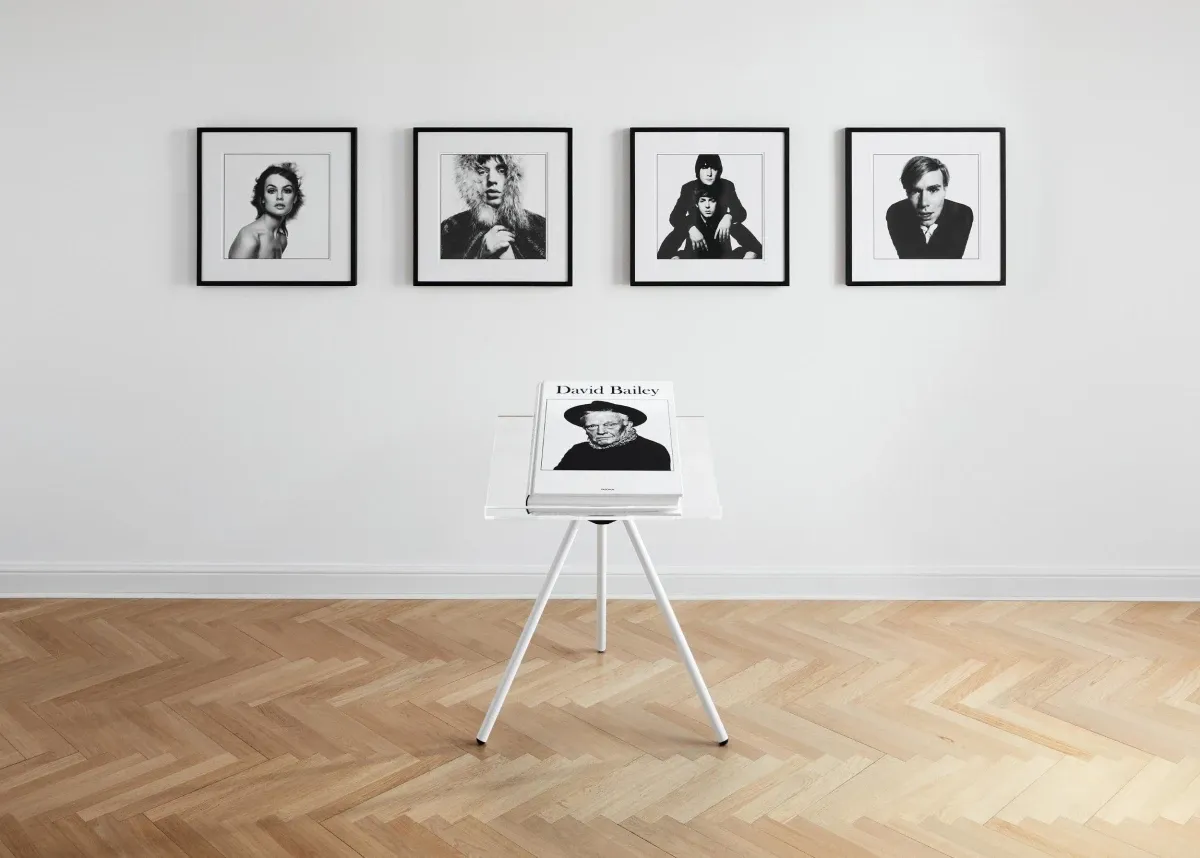
Taschen are releasing an XL version of David's Bailey retrospective at XL size. Hardcover in slipcase, 26.7 x 37.4 cm, 5.01 kg, 440 pages. It is the definitive book on Bailey.
Cologne based Taschen have been operating for more than 45 years but their large format, collectible books emerged in the 1990s. They're the only publisher who consistently produces books in these formats and sizes.
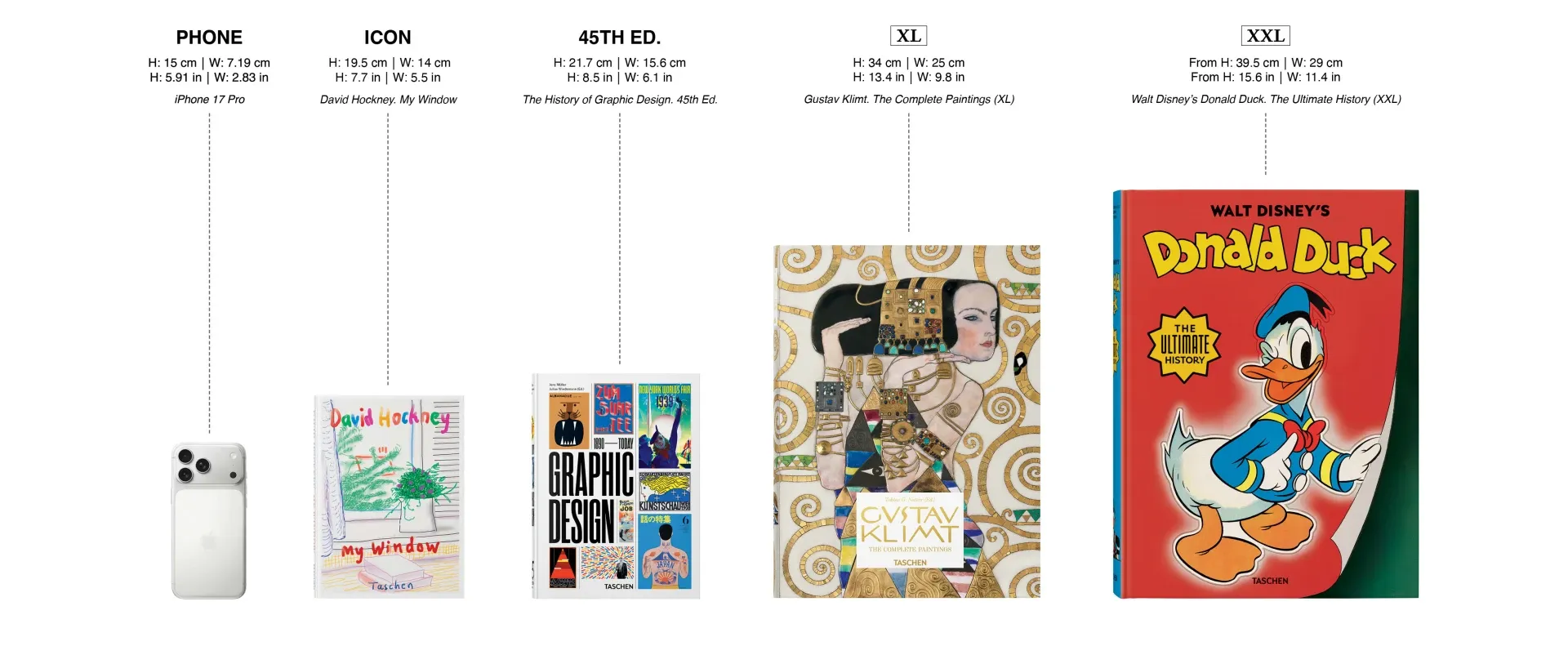
Above XXL sit Baby SUMO and SUMO, named, fittingly, in honour of Japanese sumo wrestlers. These are books that need accommodation: each arrives with its own stand, and they are unapologetic in their presence.
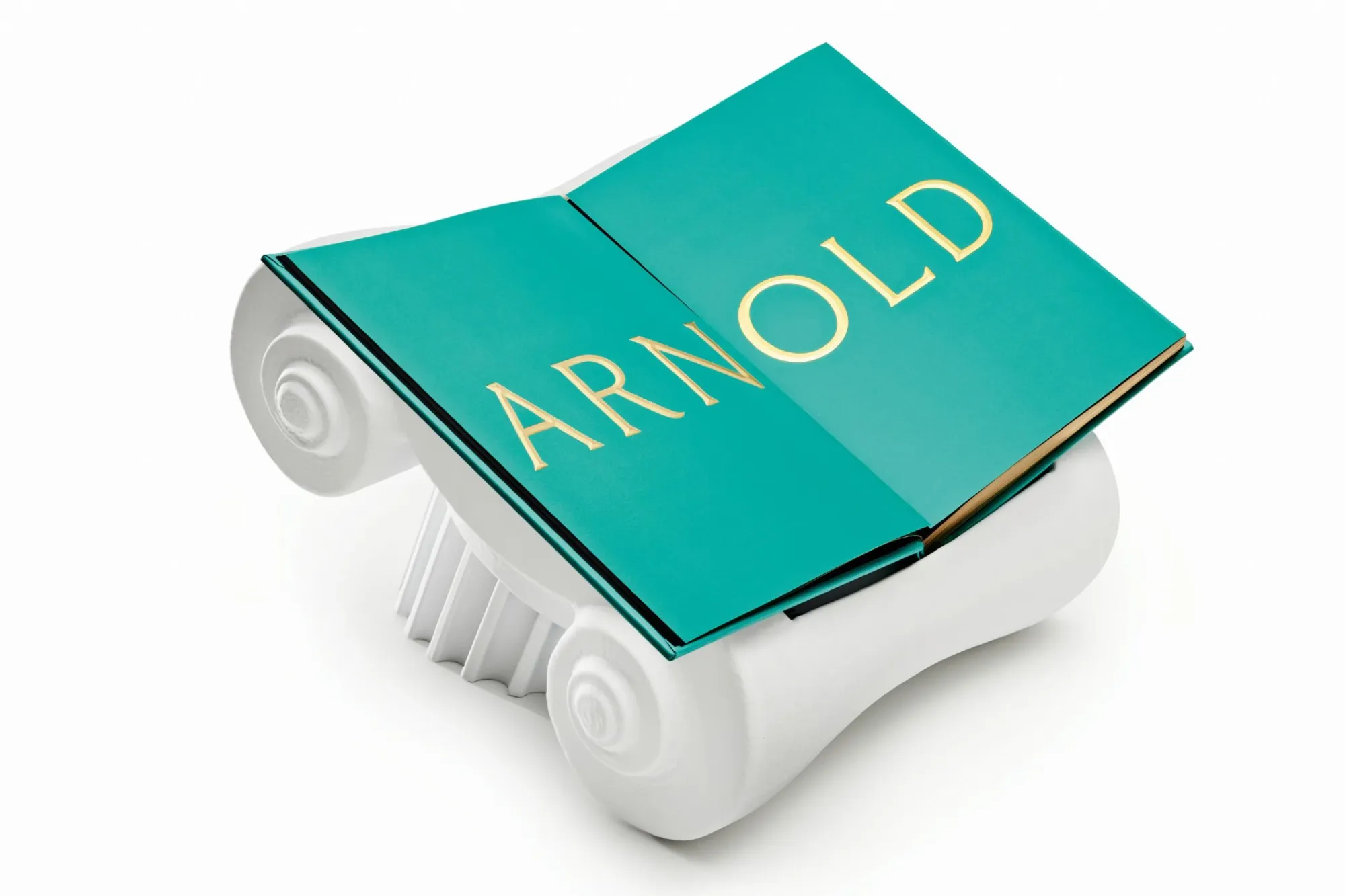
I've always admired the unrestrained design philosophy and creativity Benedikt Taschen brings to his books. Arnold is one of my favourite examples: its stand is a half-scale Capitello chair, Studio 65's playful pop take on a Greek Ionic column. It's both a nod to pop culture and the classical ideal behind the Mr. Olympia title that made Arnold famous.
The largest book I ever bought from Taschen was nearly a decade ago, Albert Watson's Baby Sumo - KAOS. Watson is one of my favourite photographers and his exhibition at Deichtorhallen in Hamburg convinced me that scale was necessary to fully appreciate his work. KAOS also embodies Taschen's whimsy and arrived replete with a faux chimpanzee fur fitting, in a clamshell box. It measures 37.2 x 50 cm and weighs around 7kg.
Titles that start life as a SUMO or Mini SUMO often ladder down to smaller, more affordable editions in XXL or XL, paying for and feeding the editions that most people will buy. They are also far more practical. Books in exaggerated scale allow you to appreciate the work close to the size it was made and while they make a statement about the book as an object, they can be a pain to store. XXL and XL fit perfectly on Vitsoe shelving in case you needed to know.
There are quite a few documentaries and faux documentaries that I've added to my watch list recently.
Leica: A Century of Vision (2026): A marketing documentary directed by Reiner Holzemer that explores how Leica's 35mm format shaped documentary photography across a century. It was released in Germany earlier this month and will no doubt screen in the UK. It looks to be beautifully made as you would expect but I suspect it'll play like a century-long advert: Leica's founding myth, told by its own ambassadors and acolytes, with the brand as both subject and narrator.
Judging by the trailer, I don't expect to hear much about the years Leica spent close to collapse, the tension between luxury pricing and a romanticised documentary tradition built on a camera most of its working photographers can no longer afford, or, of course, Panasonic. It looks very much like the kind of brand "documentary" Porsche is so fond of, and the parallels are hard to miss: a marque priced beyond most of the enthusiasts who made its name, and a near-collapse in the early 1990s that rarely makes the highlight reel. It brings to mind the line usually attributed to Churchill: "History will be kind to me, for I intend to write it."
So it's unlikely to be a documentary in the critical sense, and any reflection at a centenary is bound to be affectionate, but that shouldn't make it any less interesting or enjoyable. Luxury brands mine the seam of their history and turn it into a mythology all the time in the name of authenticity and pedigree. The irony is that the unvarnished story is often the more compelling myth.
The New Yorker at 100 is a 2025 documentary produced by Netflix that marks the 100th anniversary of The New Yorker magazine. It's directed by Marshall Curry and narrated by Julianne Moore. It's affectionate and celebratory but I really appreciated the centennial highlights of John Hershey's Hiroshima and Rachel Carson's Silent Spring. If you're unacquainted, John Hersey's 1946 piece explored how six survivors experienced the atomic bombing of Hiroshima. Silent Spring reached its first readers through the pages of The New Yorker, where Rachel Carson's three-part serialisation in June 1962 brought the hidden cost of pesticides to a wide, influential audience before the book had even been published. Interesting vignettes of David Remnick, the editor, and Françoise Mouly, the art director of the magazine.
In my efforts to complete Netflix, I'm looking forward to the new documentary on Jean-Michel Basquiat which comes out in December. I remember the last film I watched on the artist, the equally imaginatively named 'Basquiat'. Writing this prompted me to look up the year it was released (1996) and in so doing, was reminded of the calibre of the cast. A dozen household names, five of which are Oscar winners with a further four nominees who also shared 9 Oscar nominations between them!
What Are People For: Design Philosophy by Patrick Whitney is a multimedia legacy project about the life and work of the pioneering designer, Patrick Whitney. Directed by Gary Hustwit (director of Helvetica and RAMS), the project reveals how he redefined design as a framework for making institutions, systems, and decision-making more humane, transparent, and responsive to human aspirations and organisational goals.
Homing is a podcast hosted by Matt Gibberd, co-founder of the estate agency The Modern House. The podcast describes itself as 'exploring the importance of home in shaping who we are'.
If you're not in the UK, The Modern House is an estate agency who built their reputation by taking a more considered approach to selling property - imagery shot by professional interior photographers and prose that avoided prevalent 'moments away' cliche. It seems obvious but is a standard of professionalism that eludes many estate agents to this day.
The podcast plays like an extended advert: a home-tour format born inside an estate agency, a host whose taste is the brand, and a guest whose house is itself a carefully authored work. I was drawn to an episode featuring Sue Webster which intersects with my fascination with the 'Mole Man of Hackney' - Inside The Mole House: Sue Webster's Love Letter to Eccentricity. There is a preview but it's a paid Patreon if you want to access the full video which also opens access to the full archive. An older interview with Sue Webster about the renovation is on Youtube.
William Lyttle, the "Mole Man of Hackney", was a notorious local, and still active when I lived in Shoreditch, though I doubt anyone but him grasped the extent of his work at that time. Over forty years, for reasons he never explained, he burrowed a network of tunnels and chambers beneath his decrepit house and rubbish strewn garden, reaching eight metres down and up to twenty metres out in every direction. The council only took notice when the pavement, and part of the road beside it, collapsed.
In 2012, Sue Webster bought the house at auction and commissioned David Adjaye to turn it into a three-storey live-work space. The project was an act of nerve and pecuniary disregard. Restoring the house meant digging out some 2,000 tonnes of concrete that the council had poured into the tunnels to stop it collapsing, work for which Lyttle had been ordered to pay £293,000. The result wears its strange history openly. It deserves to be celebrated for keeping the building's character and story, rather than giving way to the soulless, blandly repetitive architecture so common today.
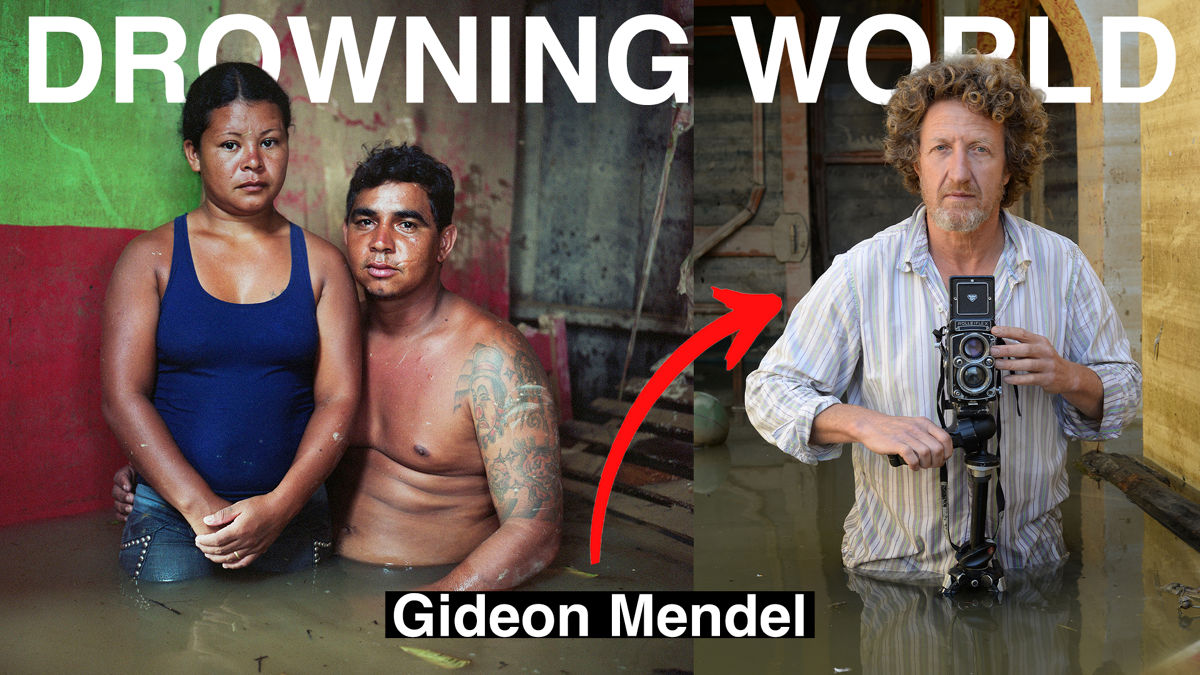
Gideon Mendel is a Johannesburg-born, London-based photographer whose work has moved from the anti-apartheid struggle and the AIDS crisis to the climate emergency. For more than fifteen years his Drowning World series has documented people in flood-hit homes around the world, often standing in the water that took them over.
Gideon provided an interesting perspective in this Prix Pictet interview on why photography still matters.
 Prix Pictet