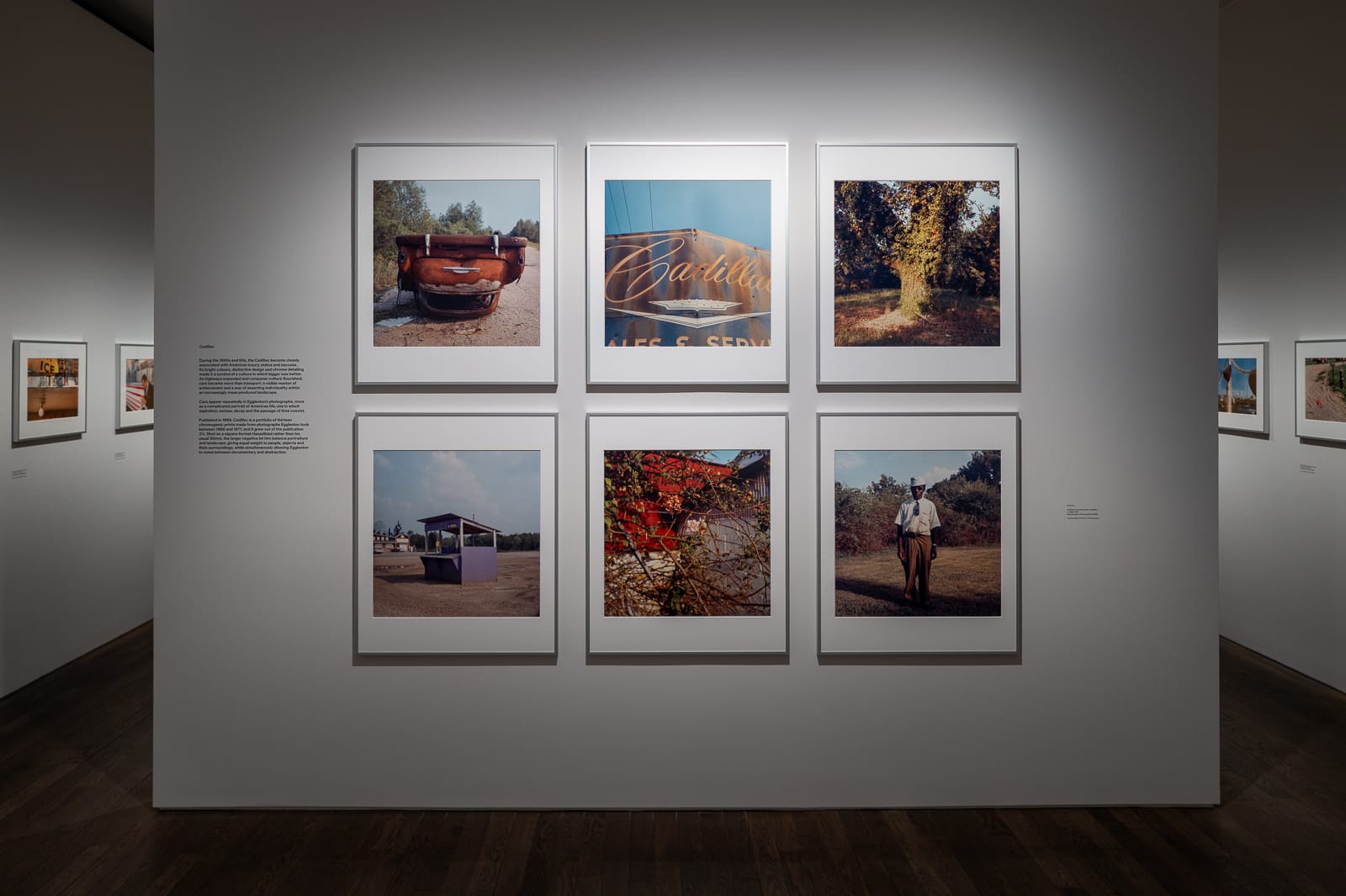
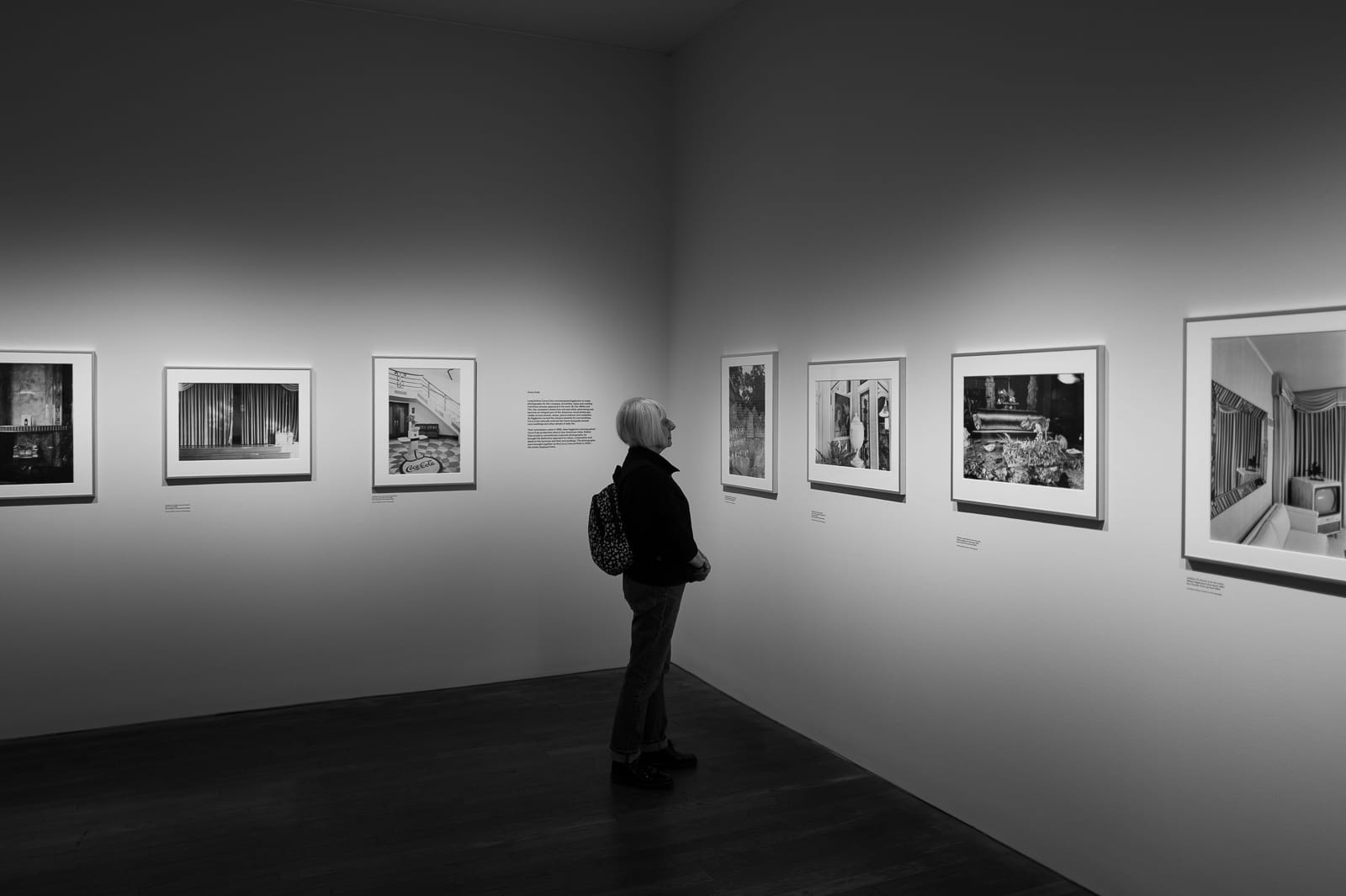
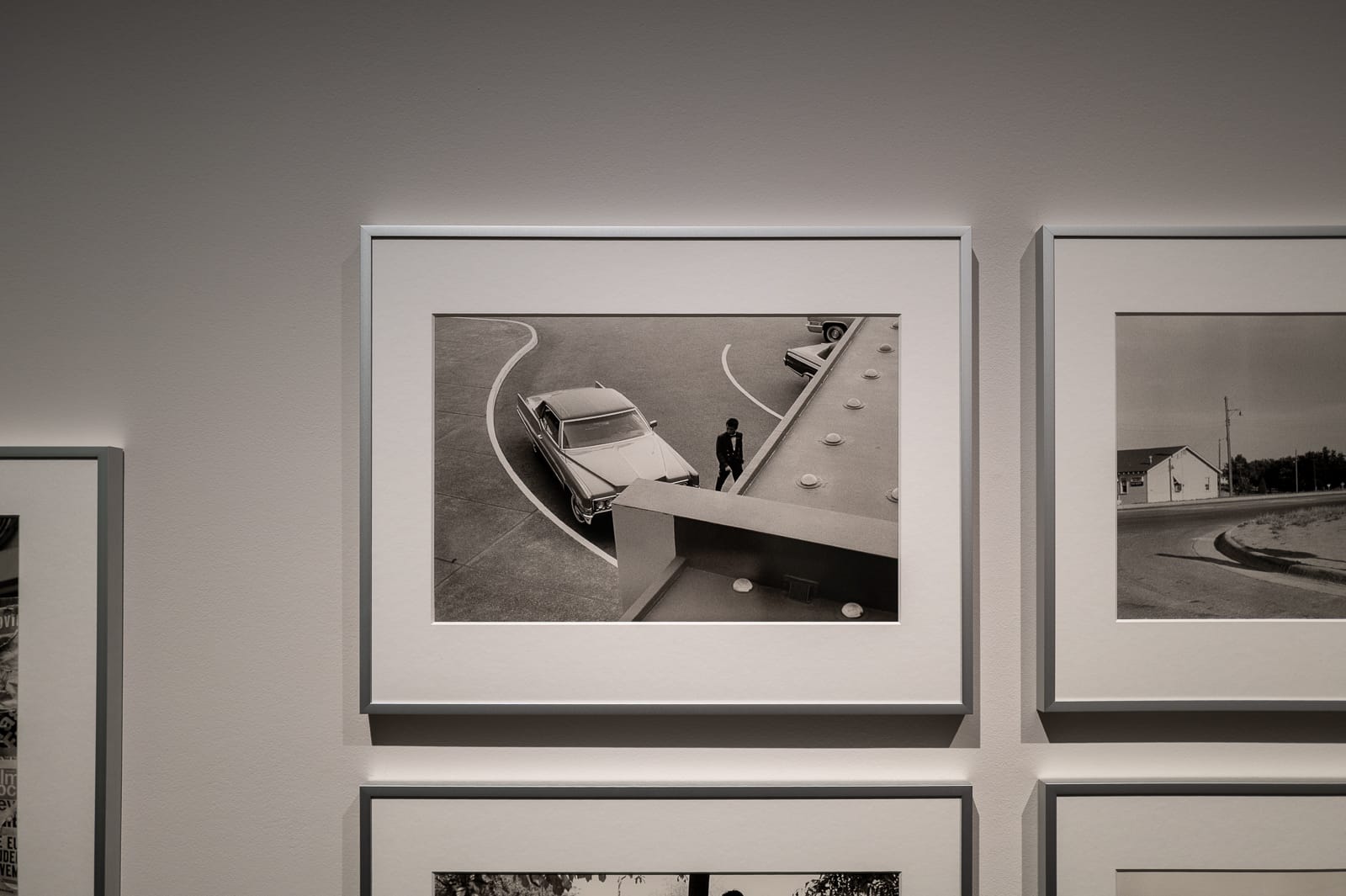
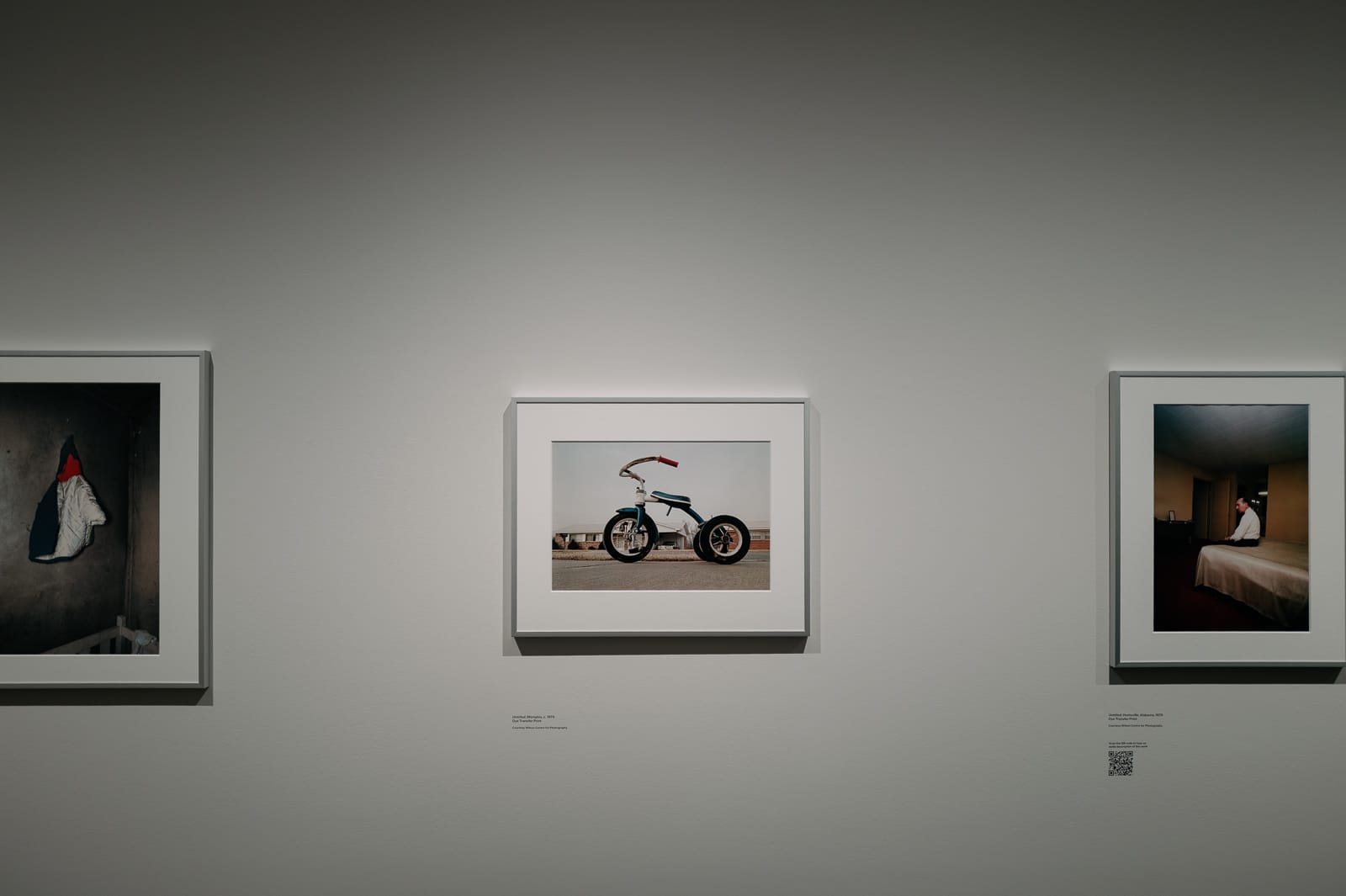
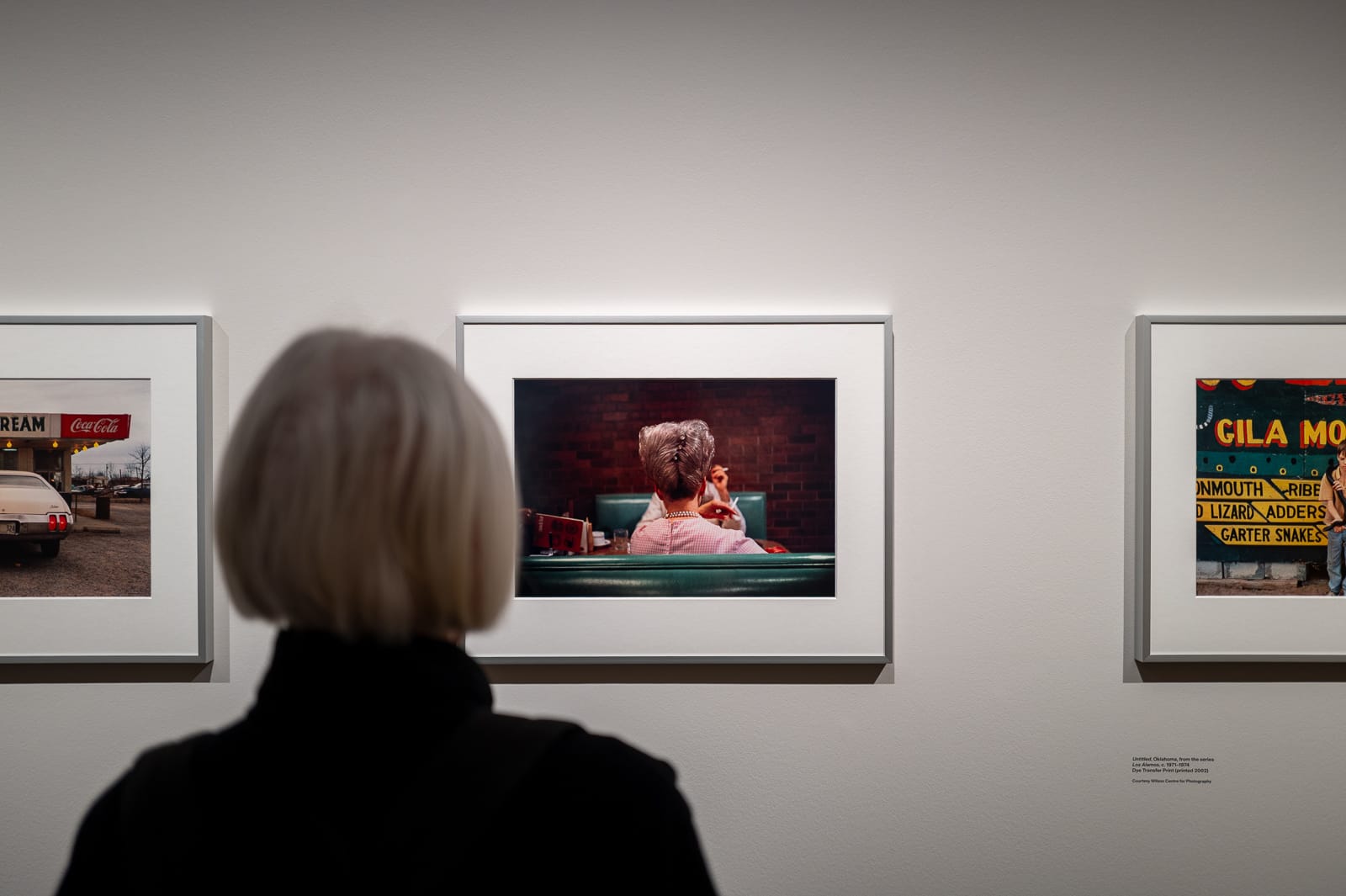
There isn’t much I can say about William Eggleston, the seminal American photographer, that hasn’t been said already. He remains universally acknowledged as the ‘father of colour photography’, credited with conferring legitimacy on colour images and establishing them as a fine-art medium.
I visited his new exhibition at The Photographer's Gallery with the ball of unbridled enthusiasm that is my mother-in-law who, pleasingly, has been a regular companion on gallery visits this year. We also enjoyed a superb lunch at Berenjak in Soho. The lunch special is recommended, though you might want to skip breakfast. Afterwards I had to dash to a Leverhulme Seminar at King’s College London. Save for a few other visitors, we almost had the exhibition to ourselves.
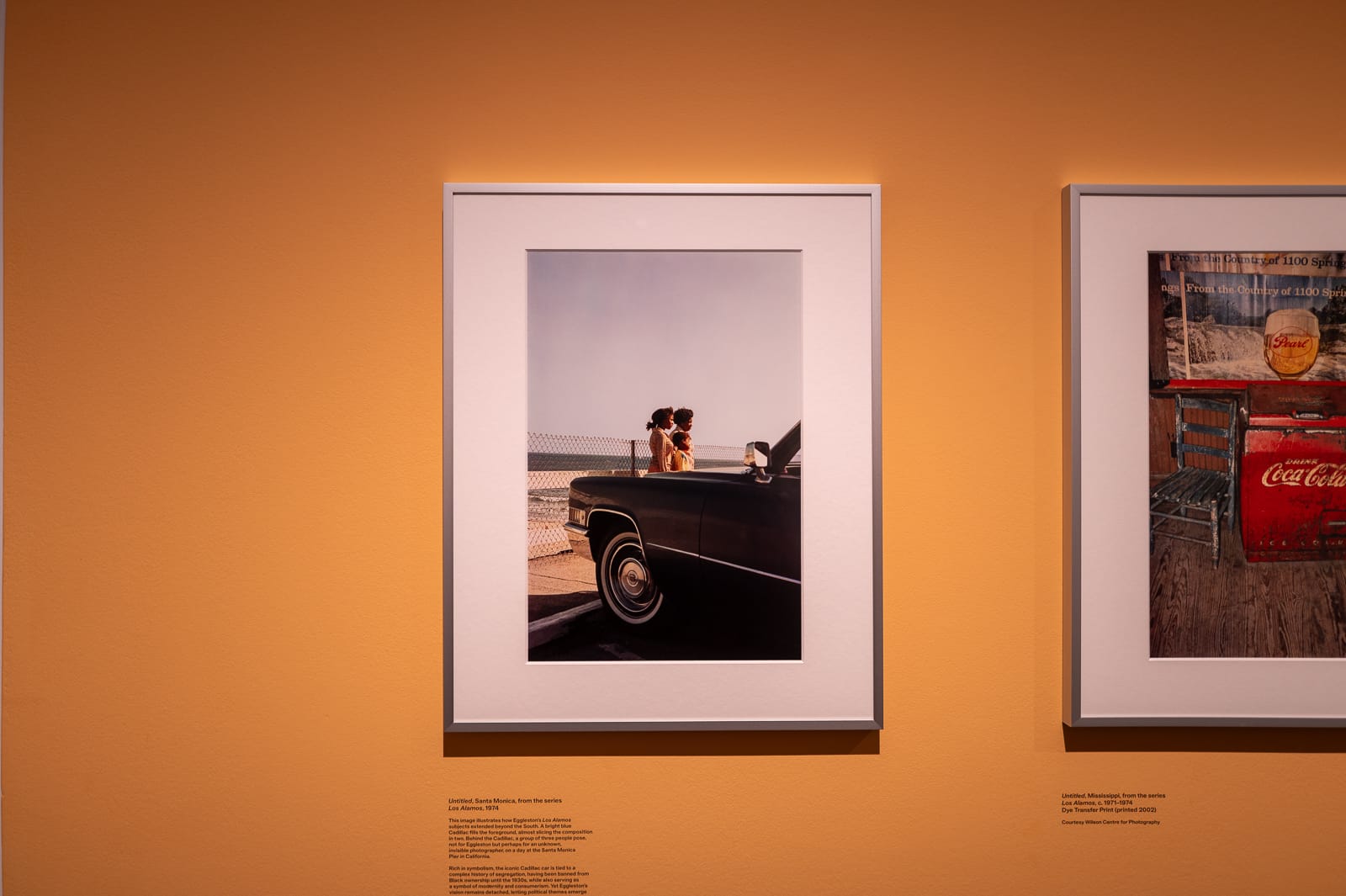
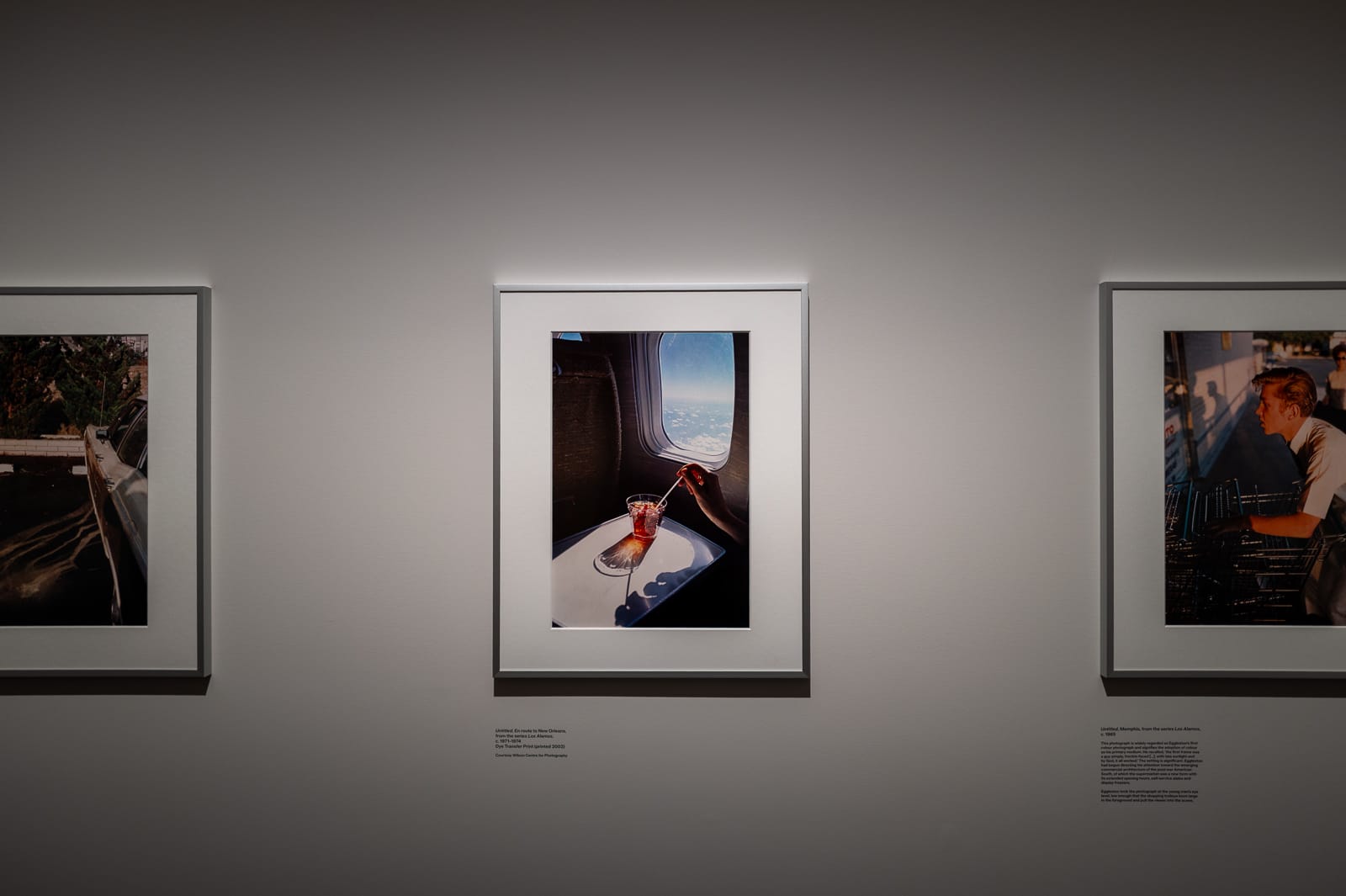
Eggleston printed with dye transfer, a process known for its deep, luminous colour. Ernst Haas and Helen Levitt, two photographers whose work I greatly admire, used it too. The process died out after Kodak stopped making the materials it relied on in the early '90's. I have no personal experience of it, though; it had run its course before I learned to print, and chromogenic printing was already an expensive undertaking.
Its appeal was control. Dye transfer works on the same principle as Technicolor’s film printing: each of the three colours is laid down separately from its own matrix. That meant a printer could shape colour balance, saturation and contrast by adjusting individual dye baths, rinse times and chemical additions. That intricate, costly craft now sits behind a few slider controls in Adobe Lightroom.
Dye transfer prints have much greater archival stability - unlike a chromogenic colour (c-type) print that may fade or suffer colour shifts over time. C-type prints are created through traditional wet chemistry in a darkroom and were the prevailing print type prior to the introduction of digital.
If you have the chance to visit, some of Eggleston's most iconic and celebrated images are included in the show. The exhibition runs until 21 February 2027.