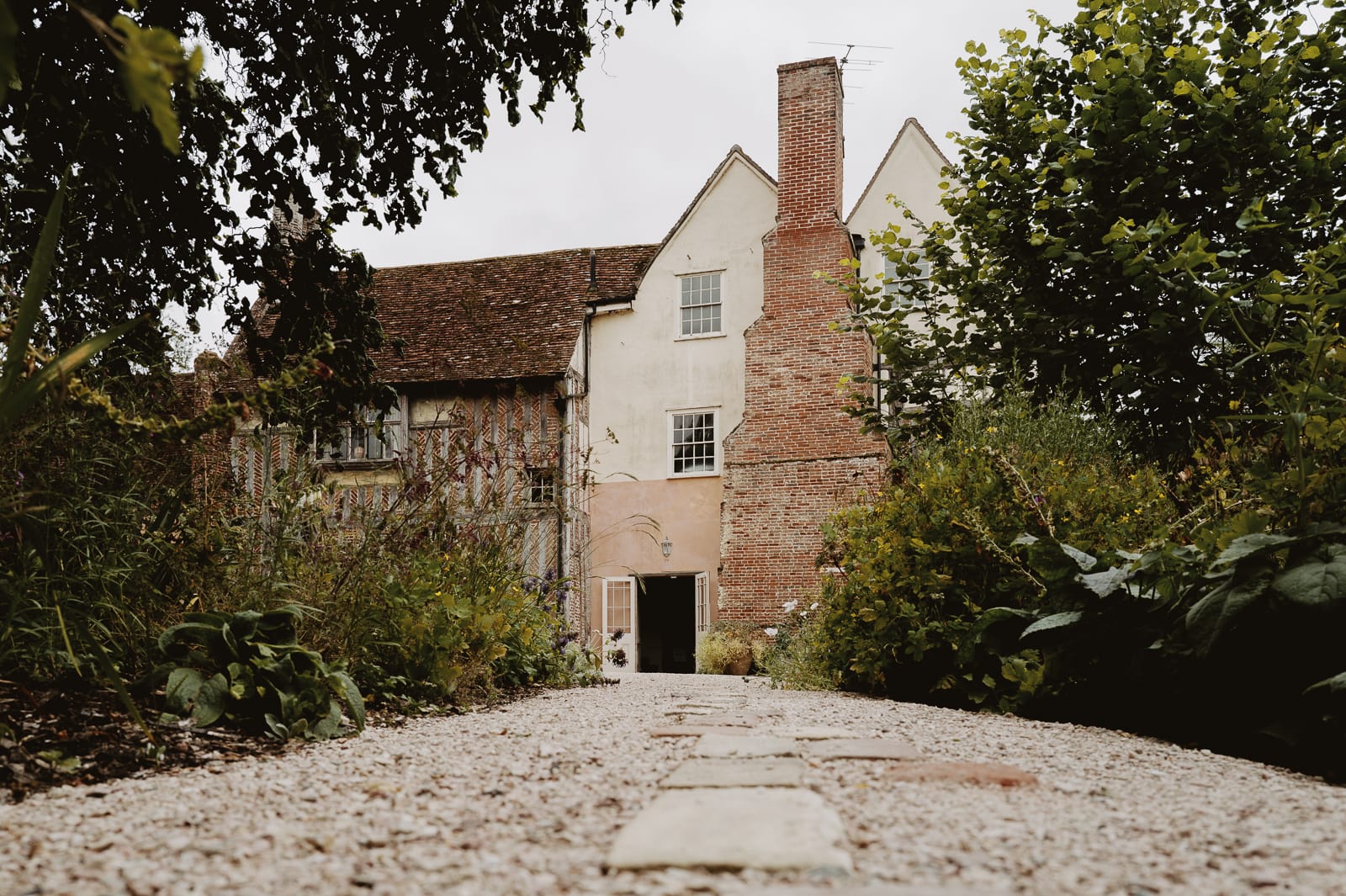
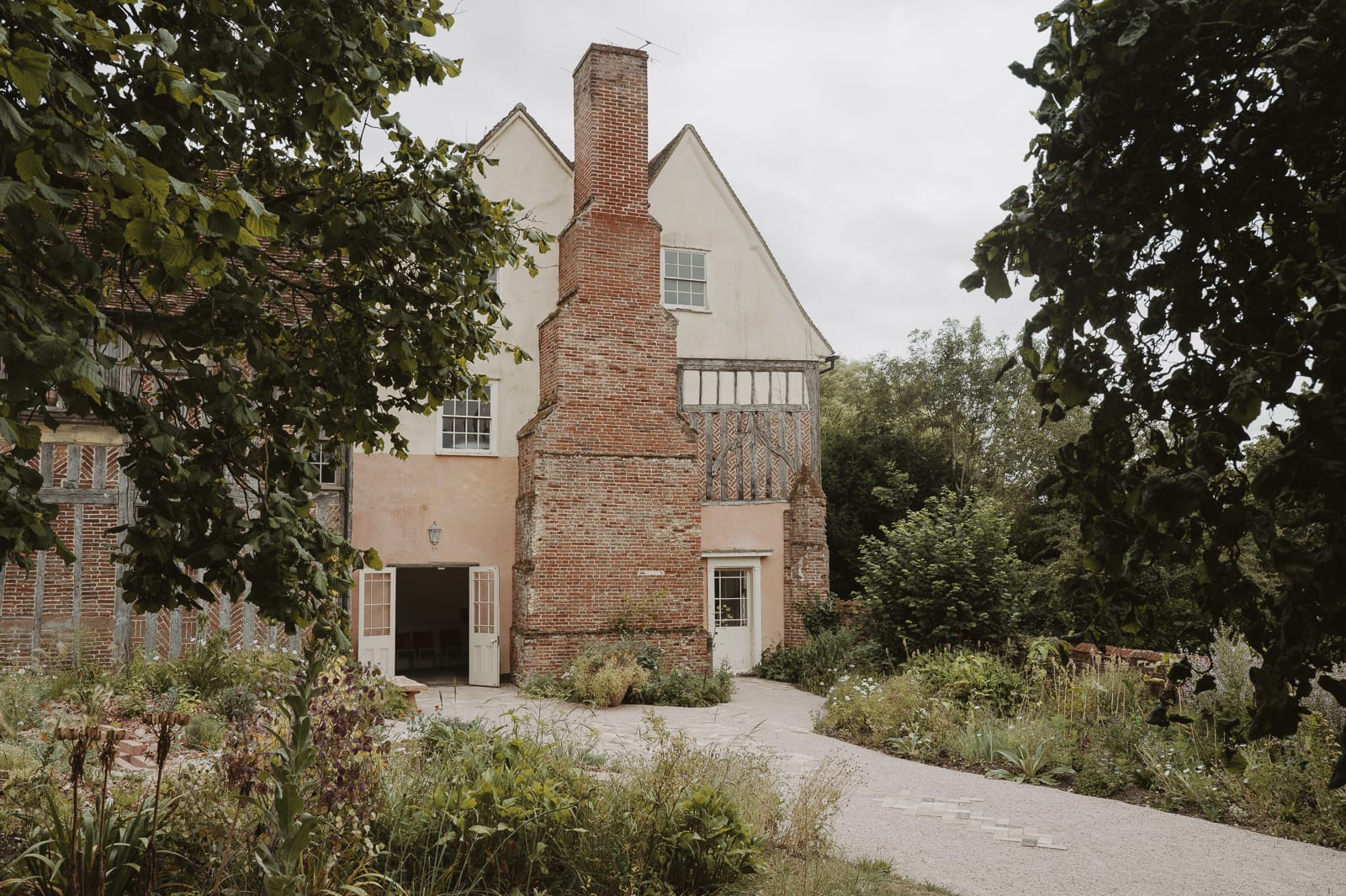
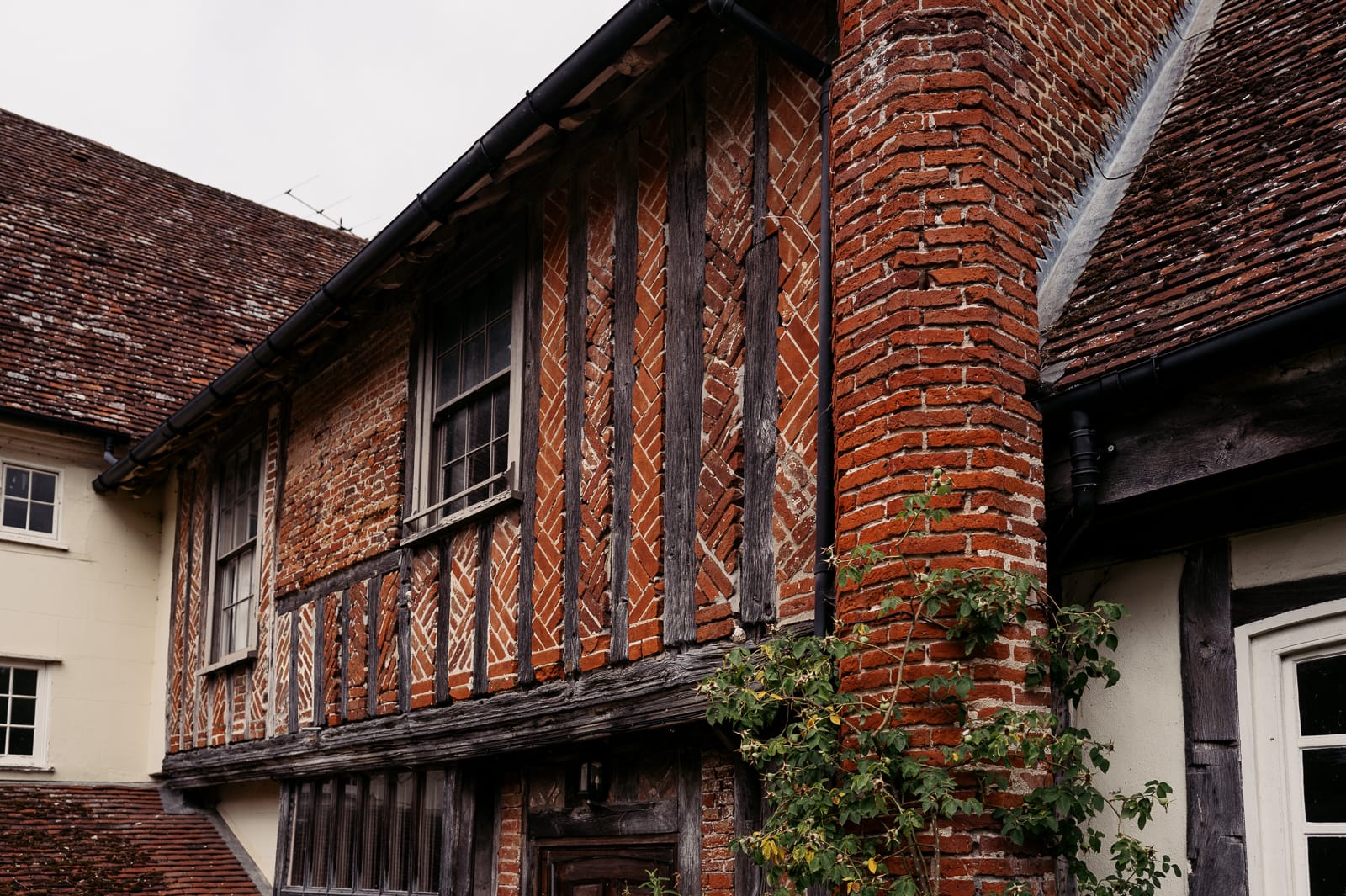
Benton End in Hadleigh, Suffolk is the former home of celebrated artist and gardener Sir Cedric Morris (1889 – 1982) and his lifelong partner, artist, Arthur Lett-Haines (1894–1978).
Cedric and Lett established the East Anglian School of Painting and Drawing. They created one of the most remarkable art schools of the period, a place ‘outside the system’. One of the first pupils was the 17-year old Lucian Freud, one of the last, Maggi Hambling. The artists were often joined by friends such as Elizabeth David, Vita Sackville-West, Constance Spry, Benjamin Britten and Peter Pears.
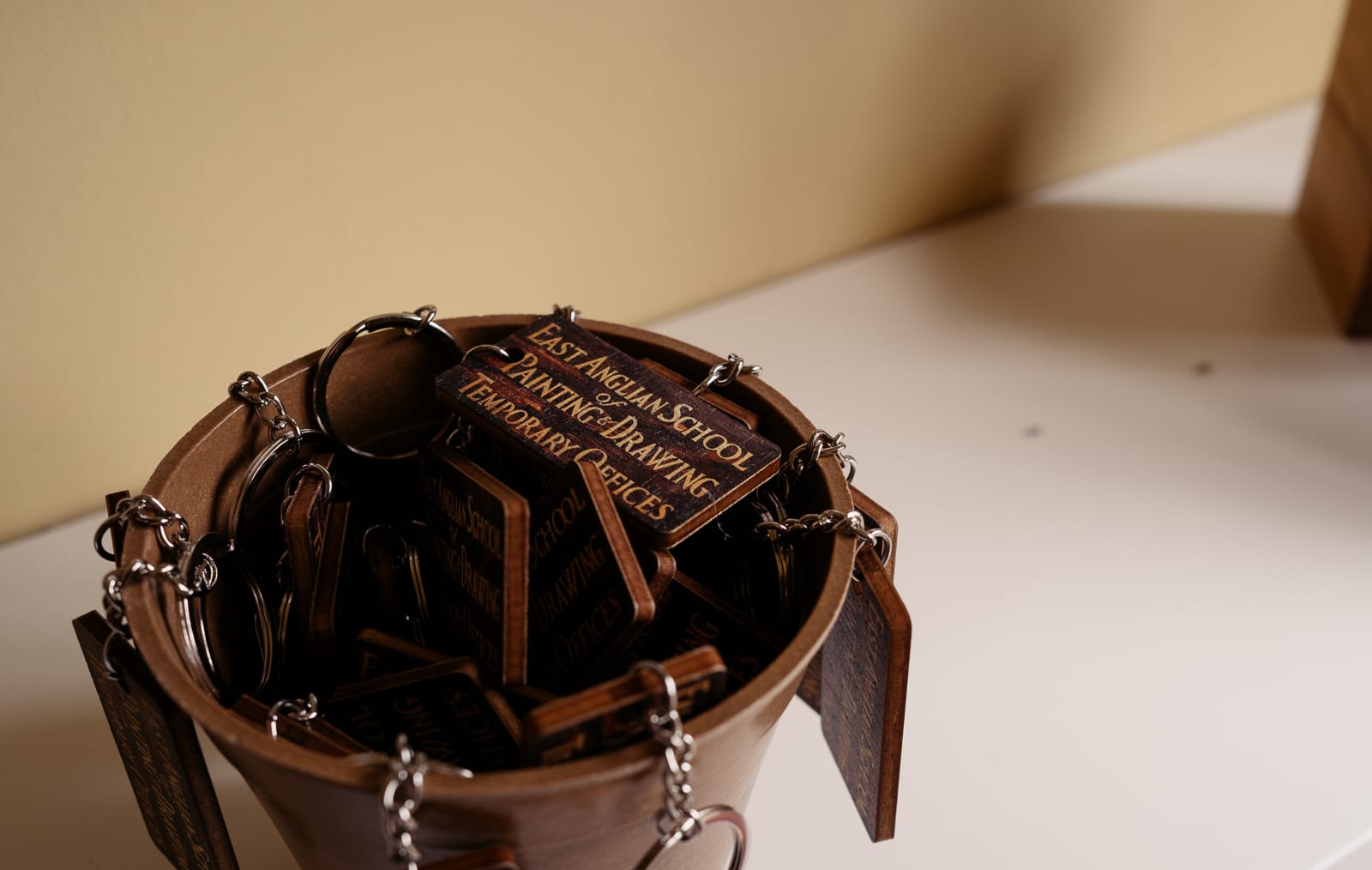
Artist Plantsman
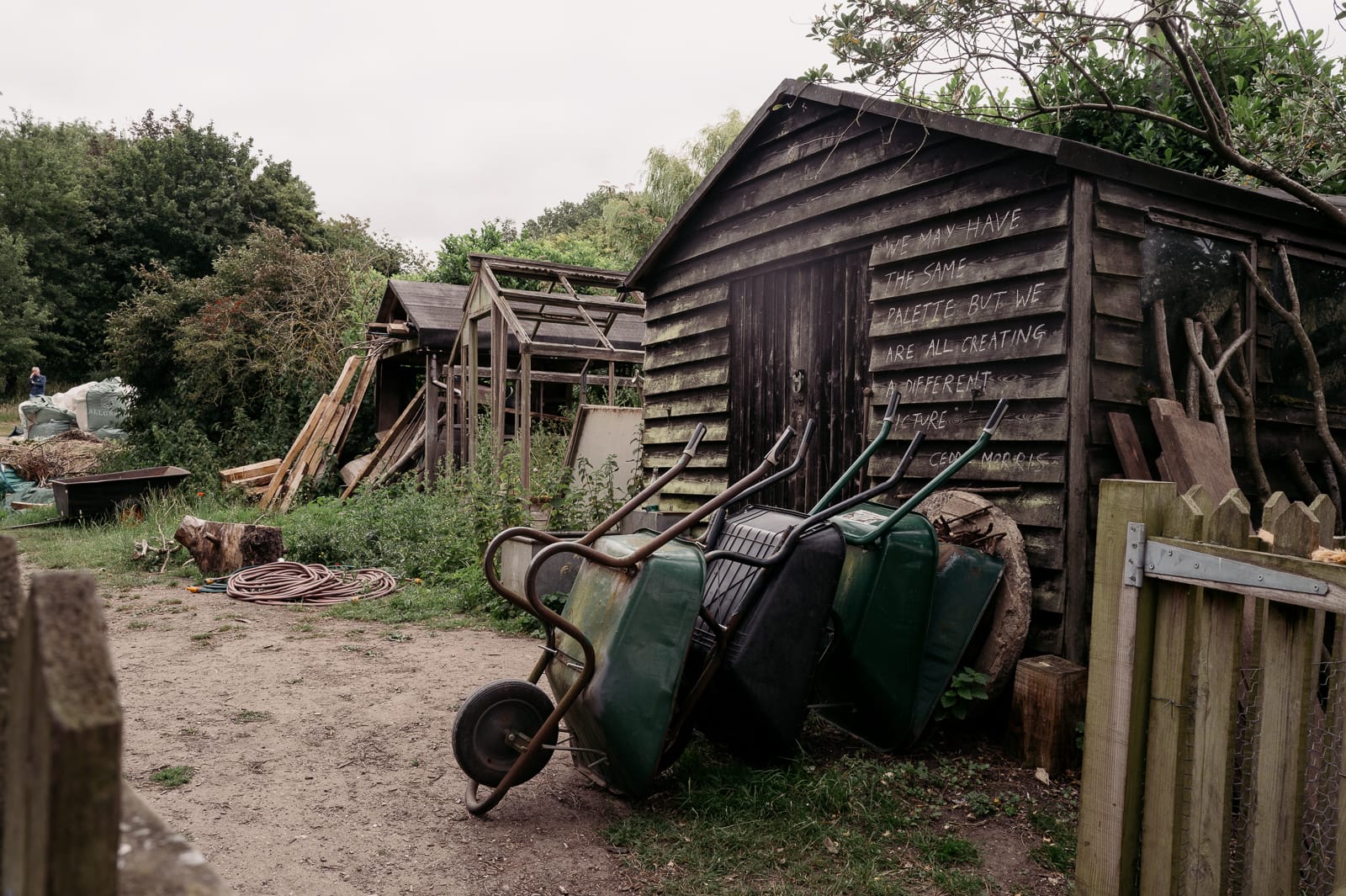
In his lifetime, Cedric became better known as a gardener than an artist. The garden at Benton End was influential for its naturalistic style. It was home to a collection of rare and unusual plants, many of which were brought back by Cedric on his winter trips abroad. Cedric famously bred bearded irises, naming over 90 cultivars, many of which carry the ‘Benton’ prefix.
His closest protégé was Beth Chatto who credited Benton End with opening her eyes to what a garden could be, and went on to become one of the most influential gardeners of her generation.
Pinchbeck Charitable Trust
In 2021 Benton End was majority gifted to the Garden Museum by the Pinchbeck Charitable Trust with the intention that the house and garden might be restored and re-opened as a place of learning once again.
Summer 2026
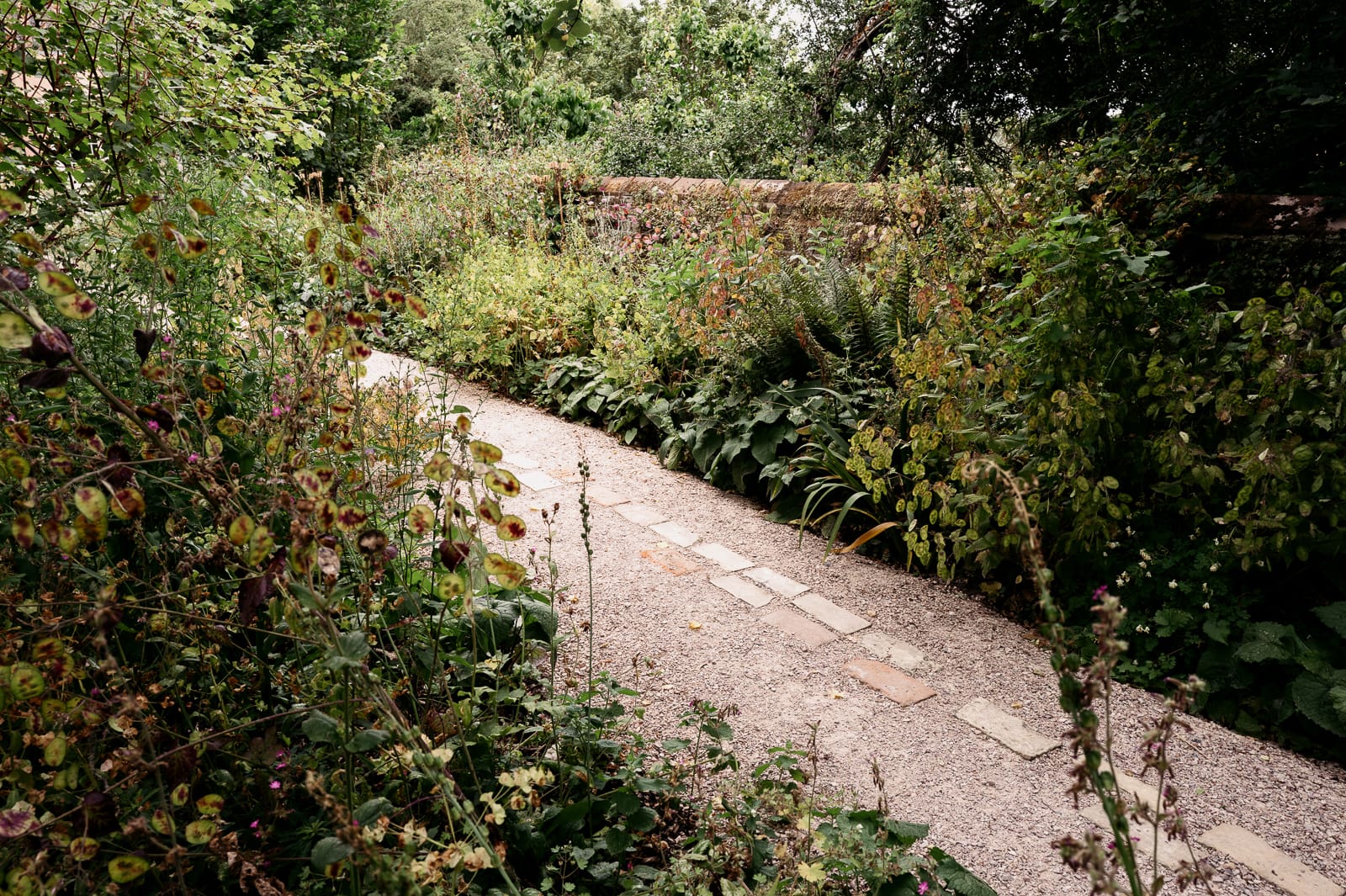
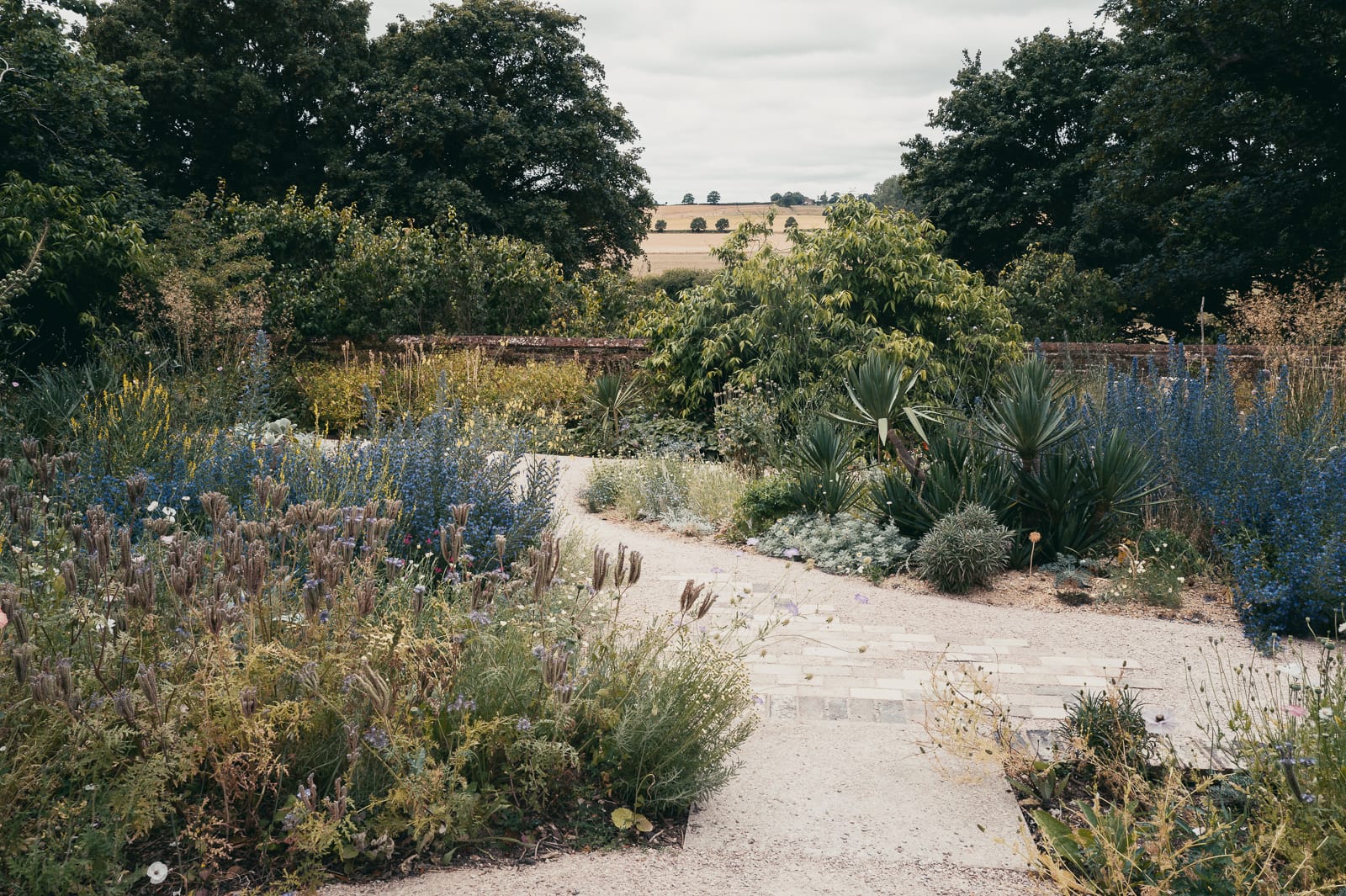
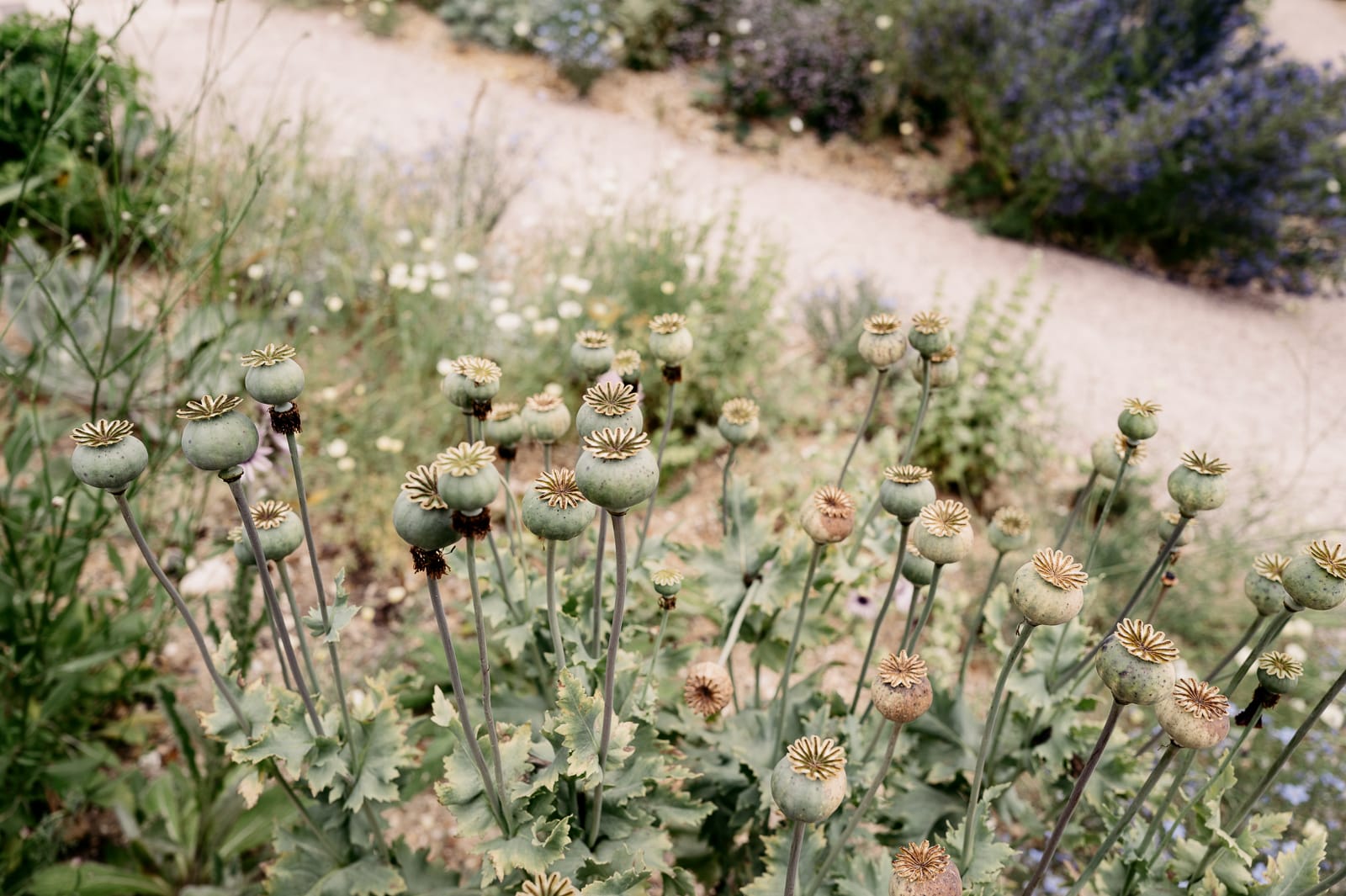
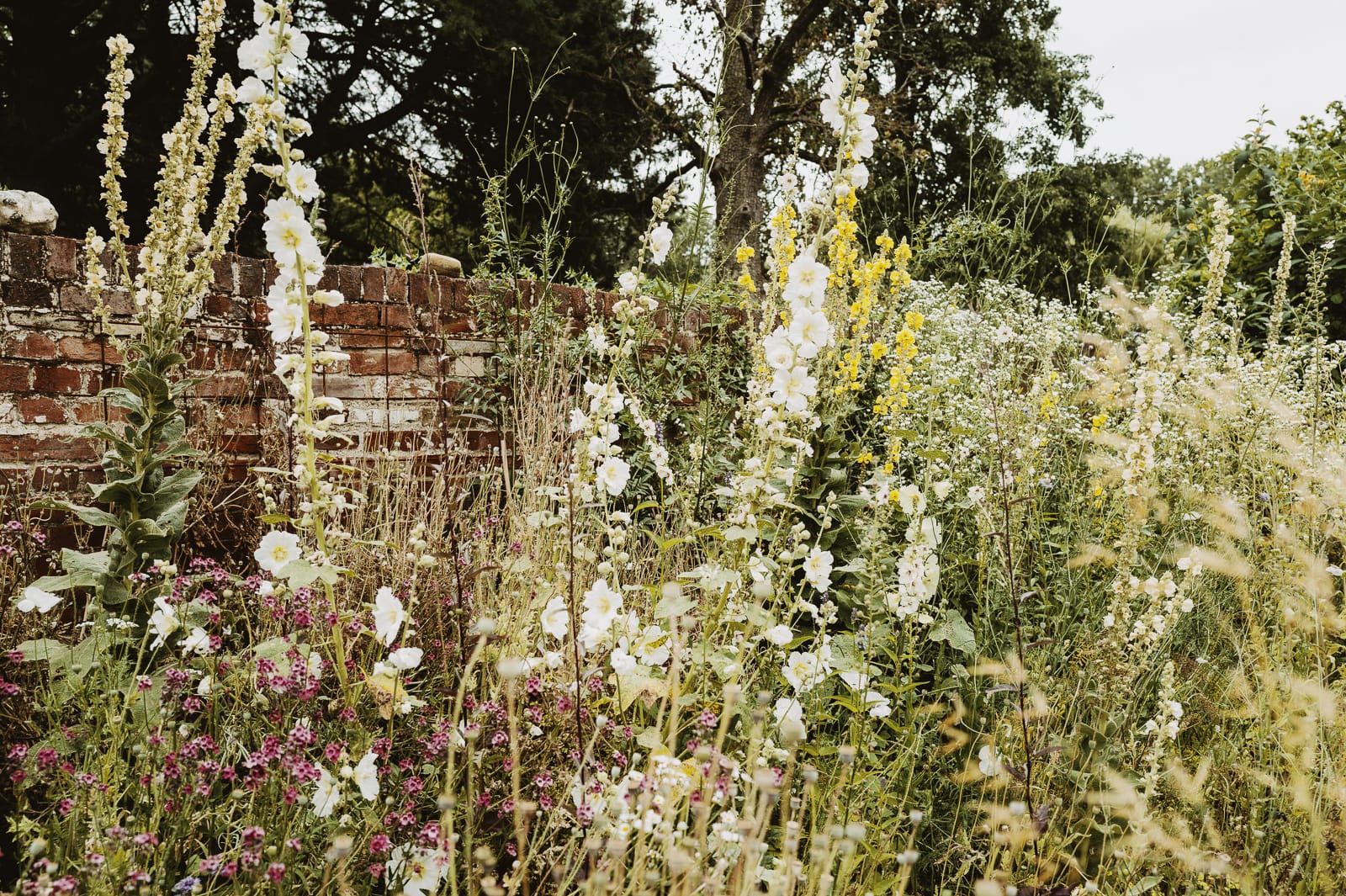
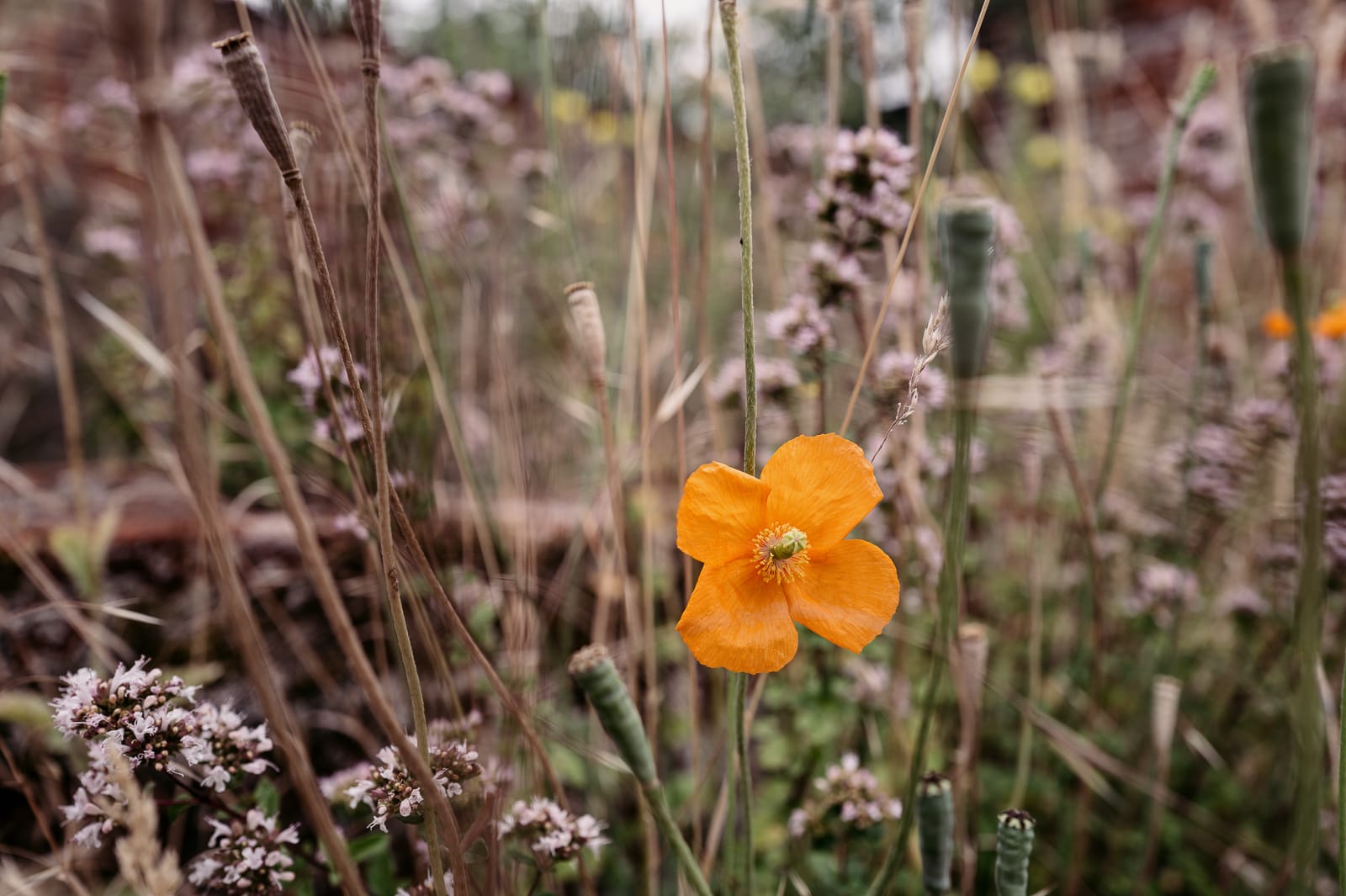
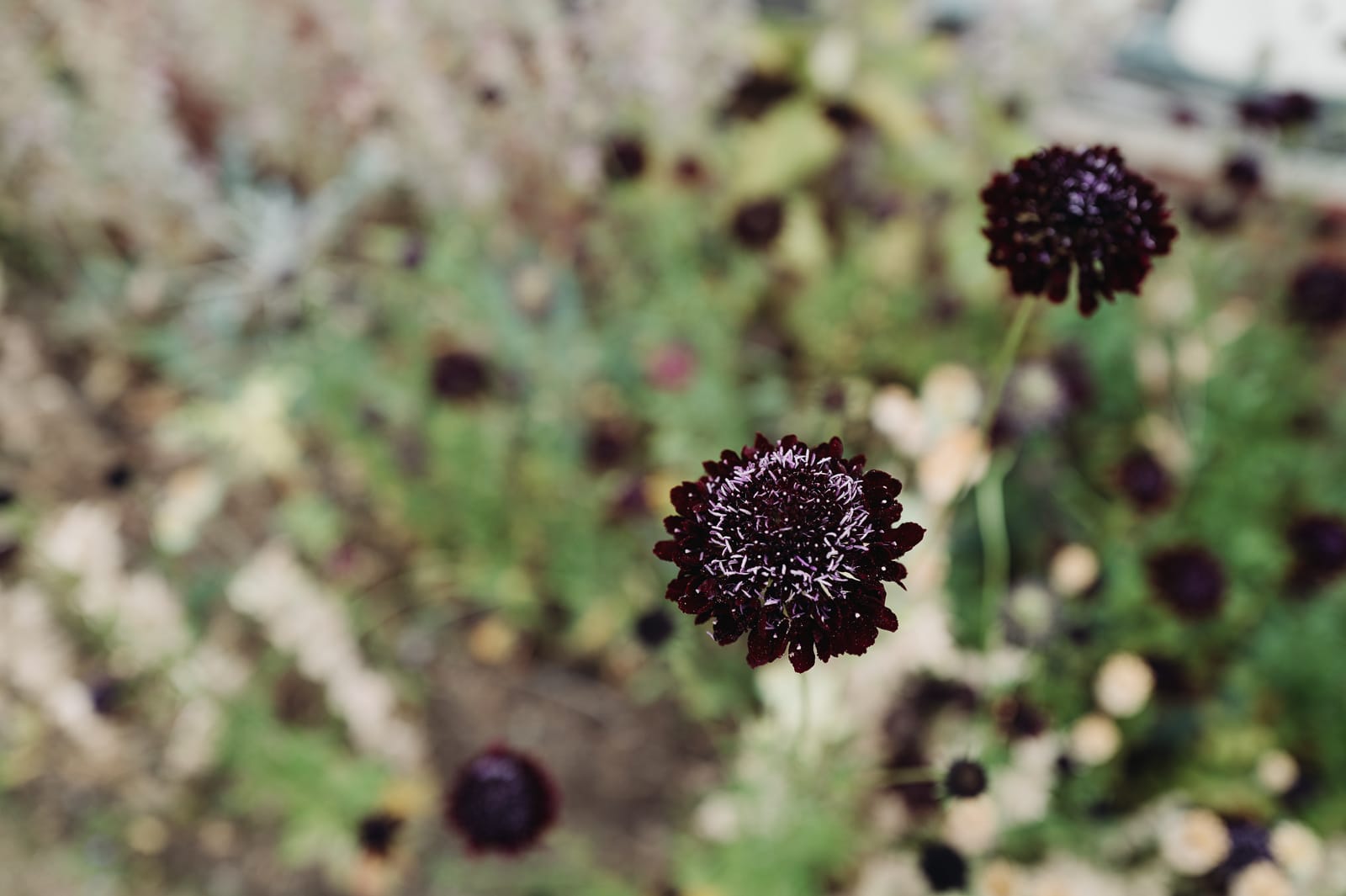
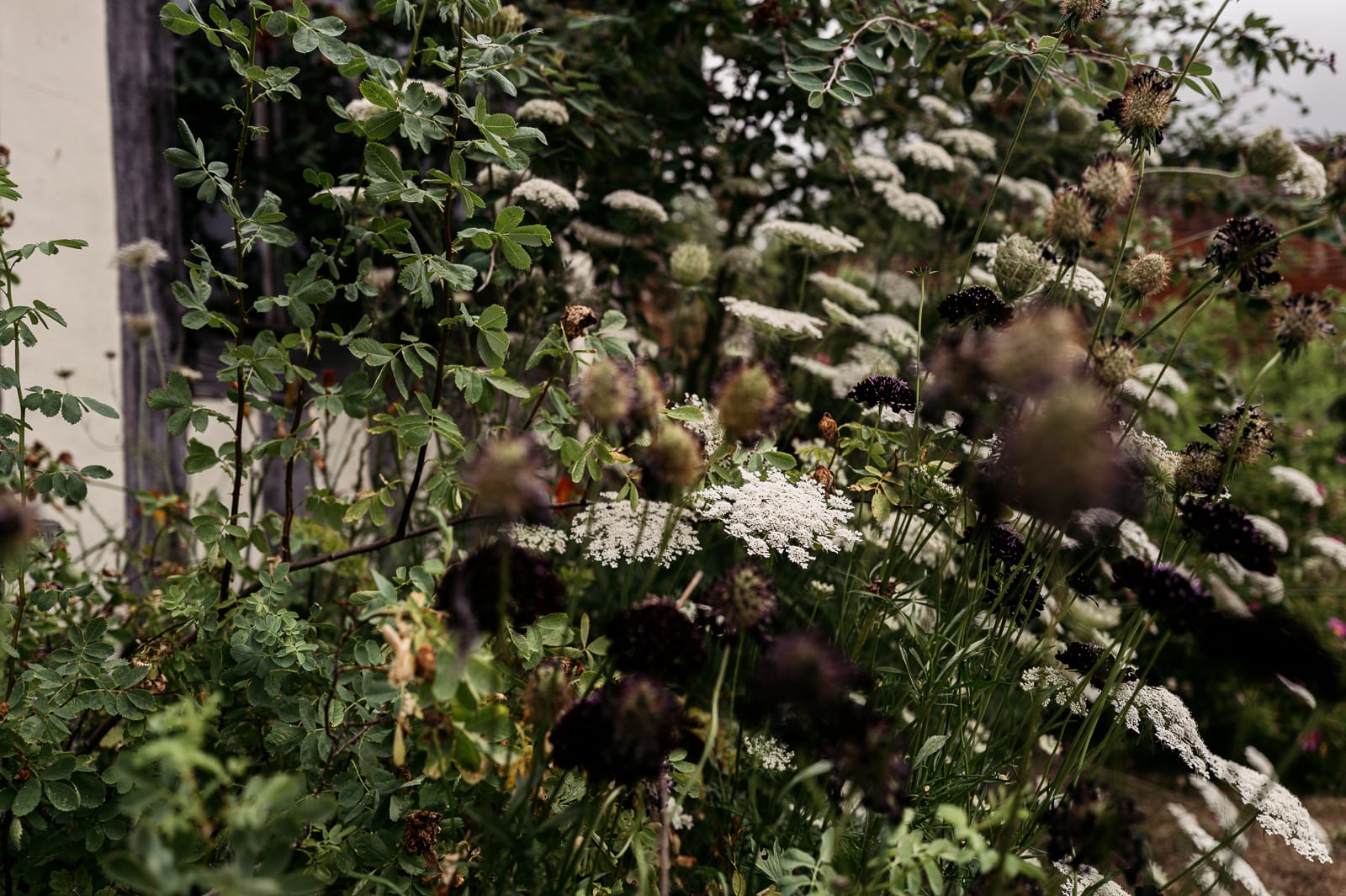
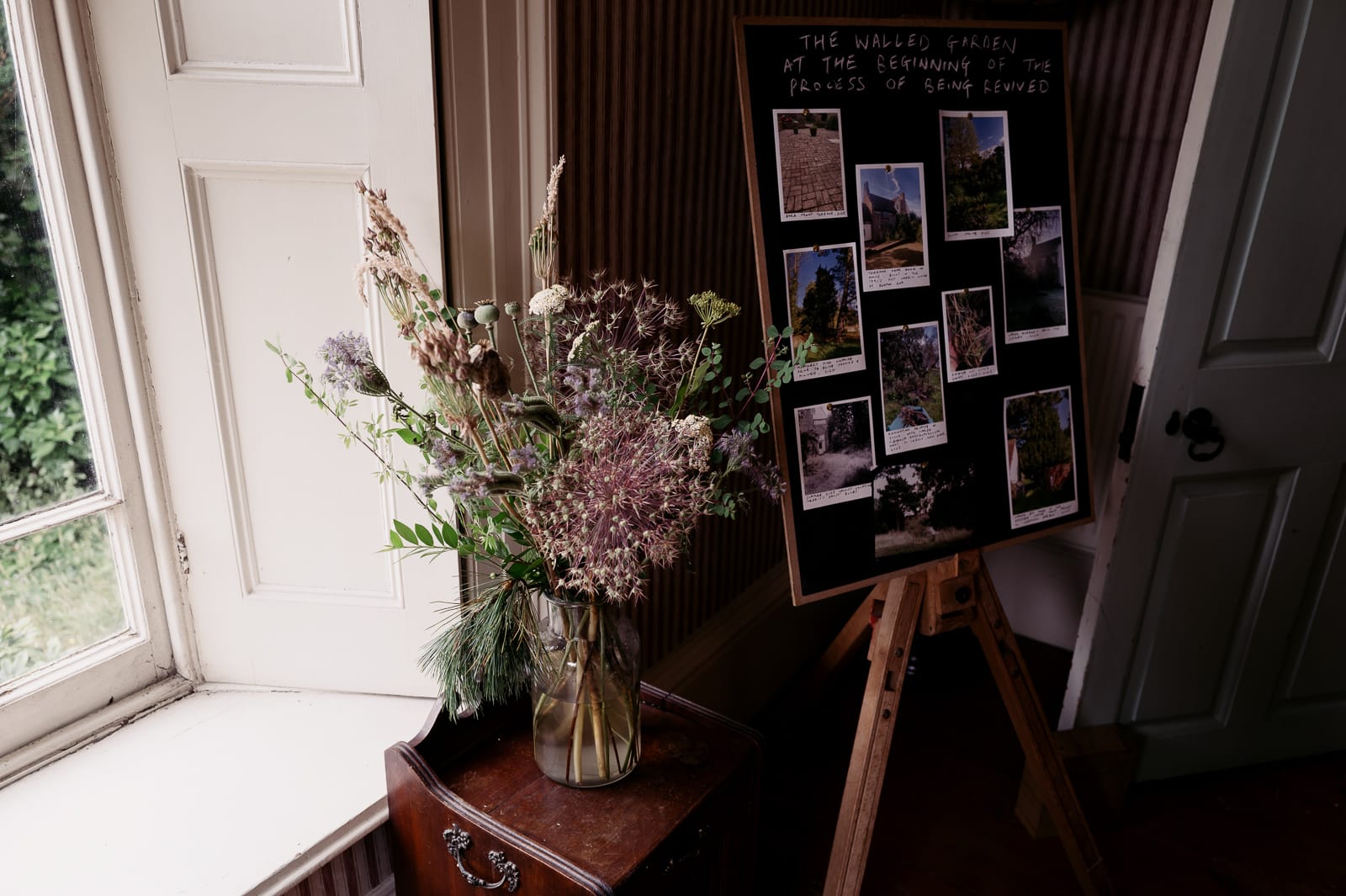
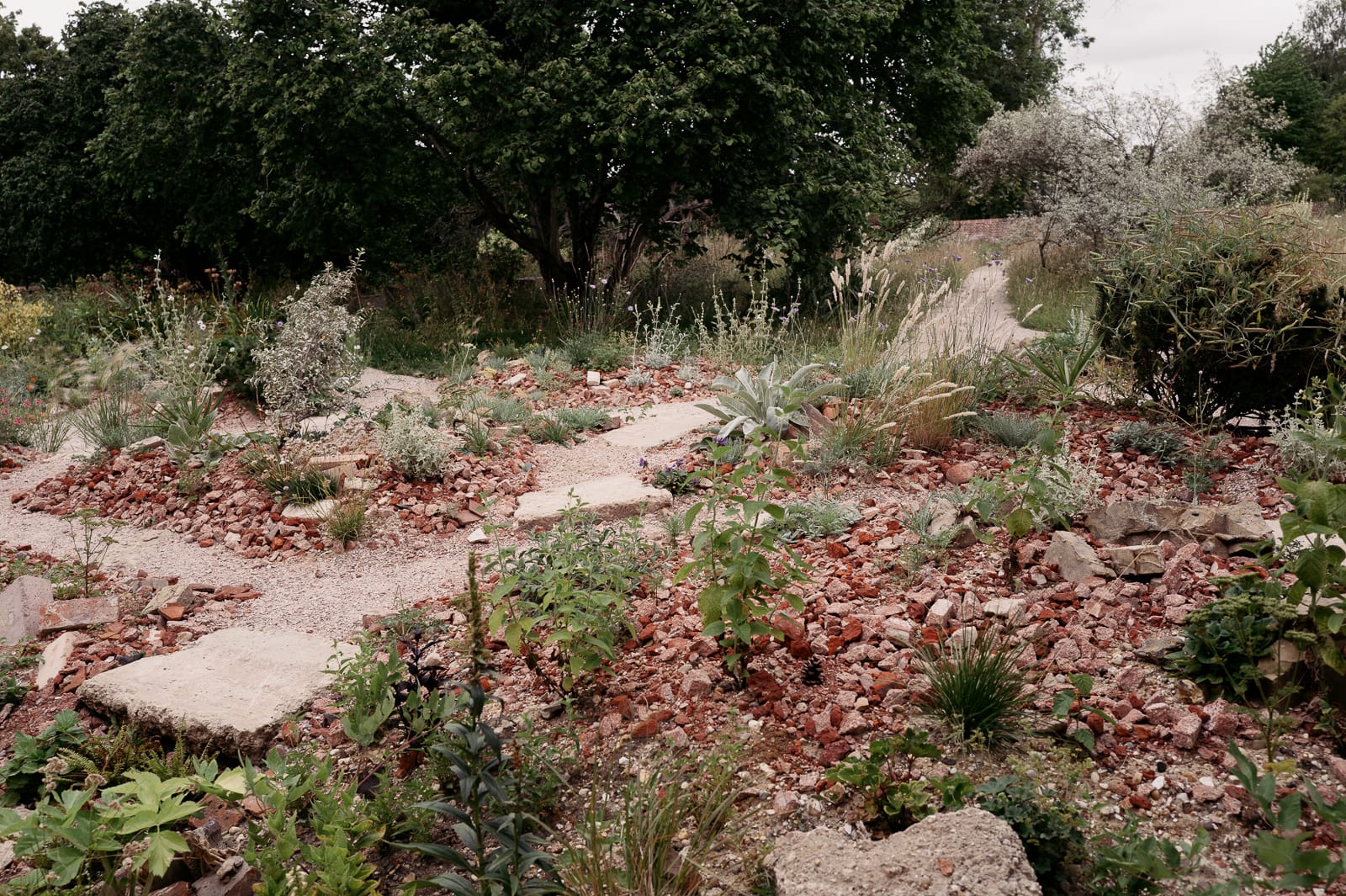
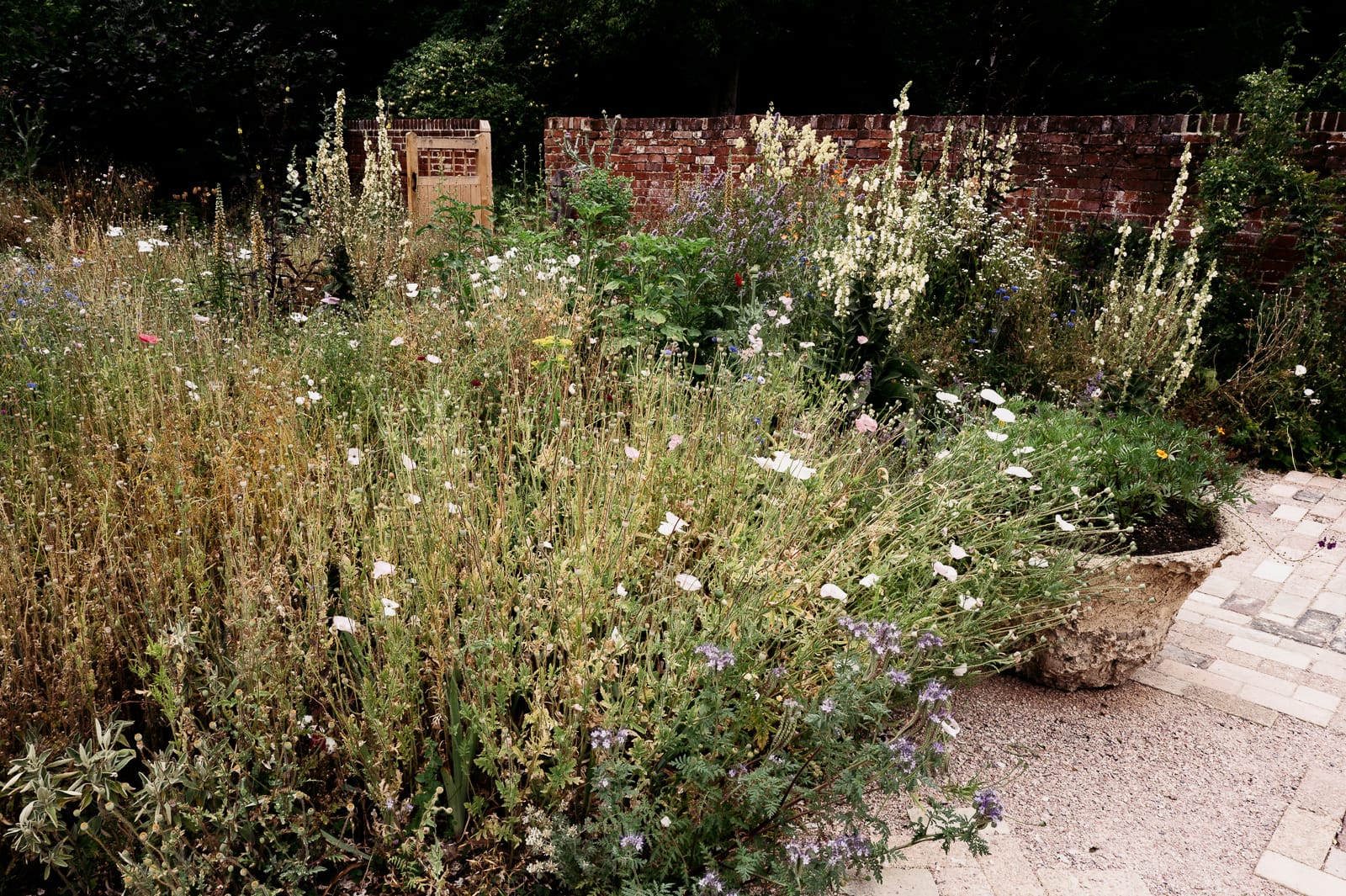
The Walled Garden, renewed in collaboration with landscape designer Sarah Price, reopened to visitors this summer. Head Gardener James Horner — who arrived in 2023 from Great Dixter, where he trained under Fergus Garrett — is leading the restoration, working with Sarah Price to replant the walled garden while keeping Cedric Morris's experimental spirit intact.
Owing to local planning regulations, visiting opportunities in June and July 2026 are limited and based on timed entry tickets. Only the newly revived walled garden itself is open at the moment.
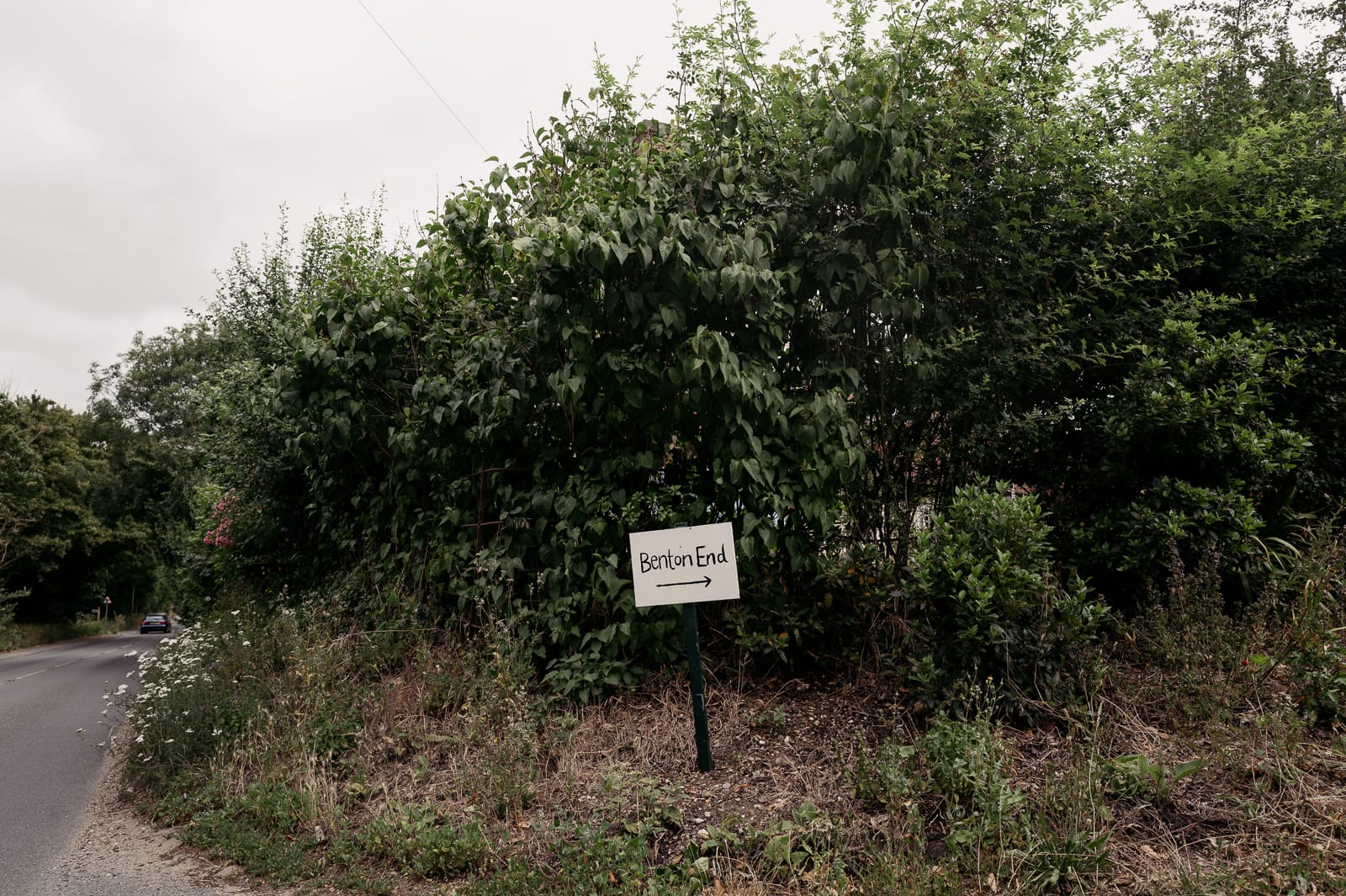
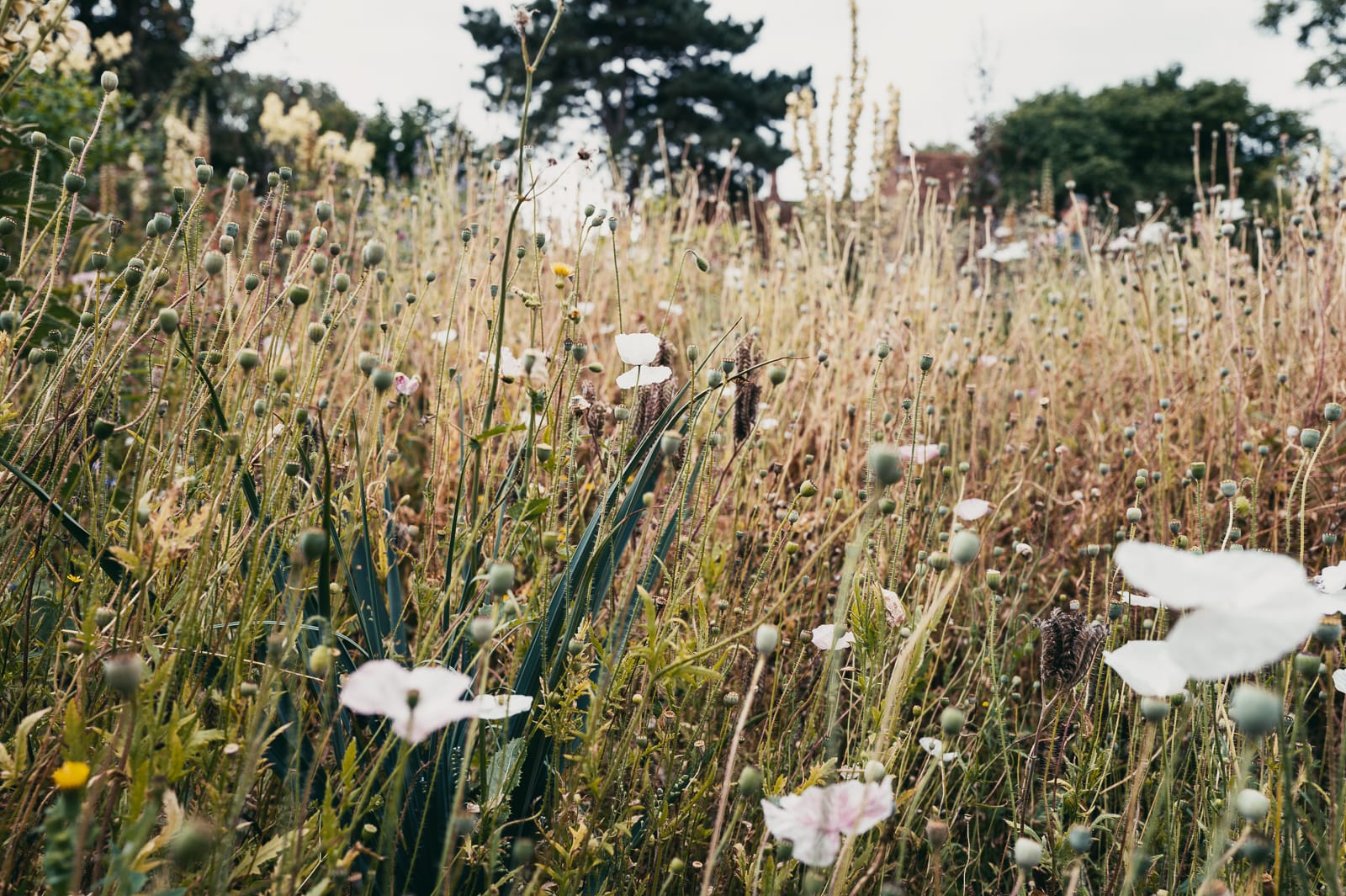
Benton End is a short drive from where we live and I chose the earliest entry time for the quality of light, and as ever, England's weather obliged by being difficult. It would be churlish to complain given that it was warm and bright but there was not a patch of blue sky. I don't mind ordinarily, but colour saturation, a lack of shadows and largely featureless skies are the consequence.
I've posted a longer edit than I otherwise would – chiefly because several people I know couldn't get tickets or travel within the narrow window in which they're available. For them: a chance to live vicariously.
One of the things that I appreciate about visiting gardens, particularly those on similar soils is the borrowing of time. Your own garden only ever shows you the present, with your failures only revealed to you over seasons. They say gardens teach you patience – but that doesn't mean every lesson has to be learned slowly. Other people's mistakes and successes are a shortcut worth taking. The task at Benton End is not simply to replant what was lost, but to keep faith with Morris's experimental spirit – a garden made for trying things, not preserving them.
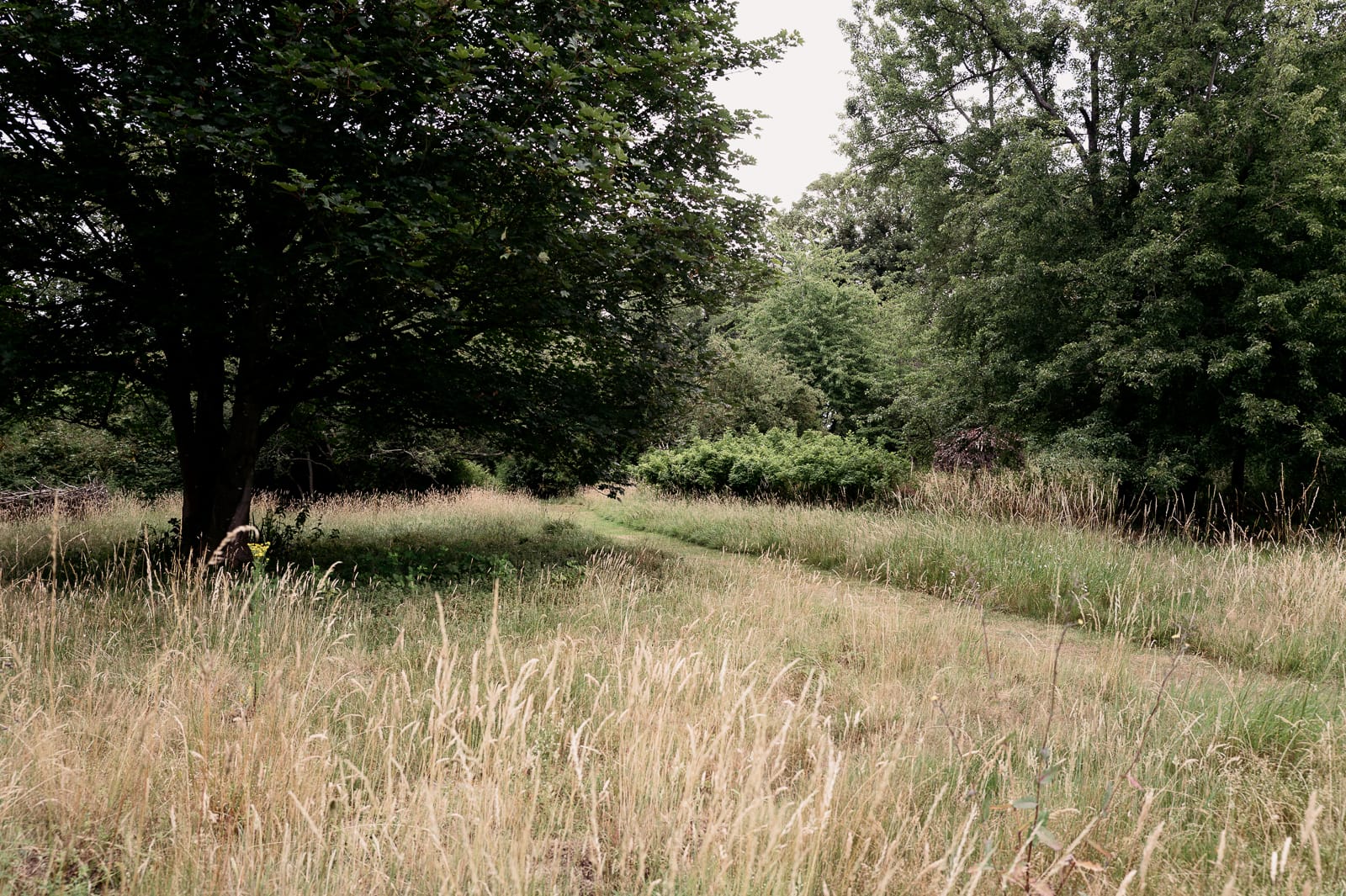
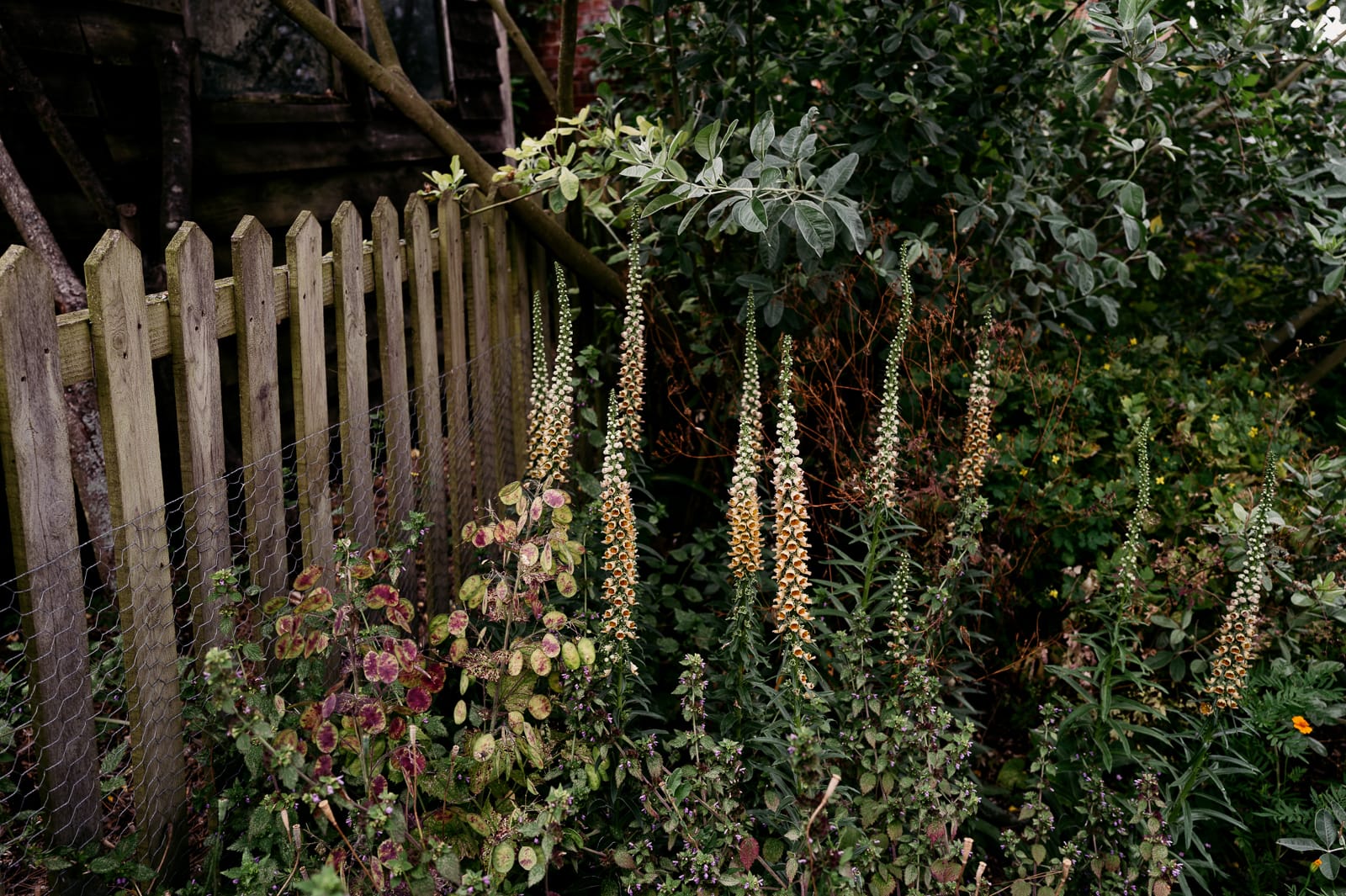
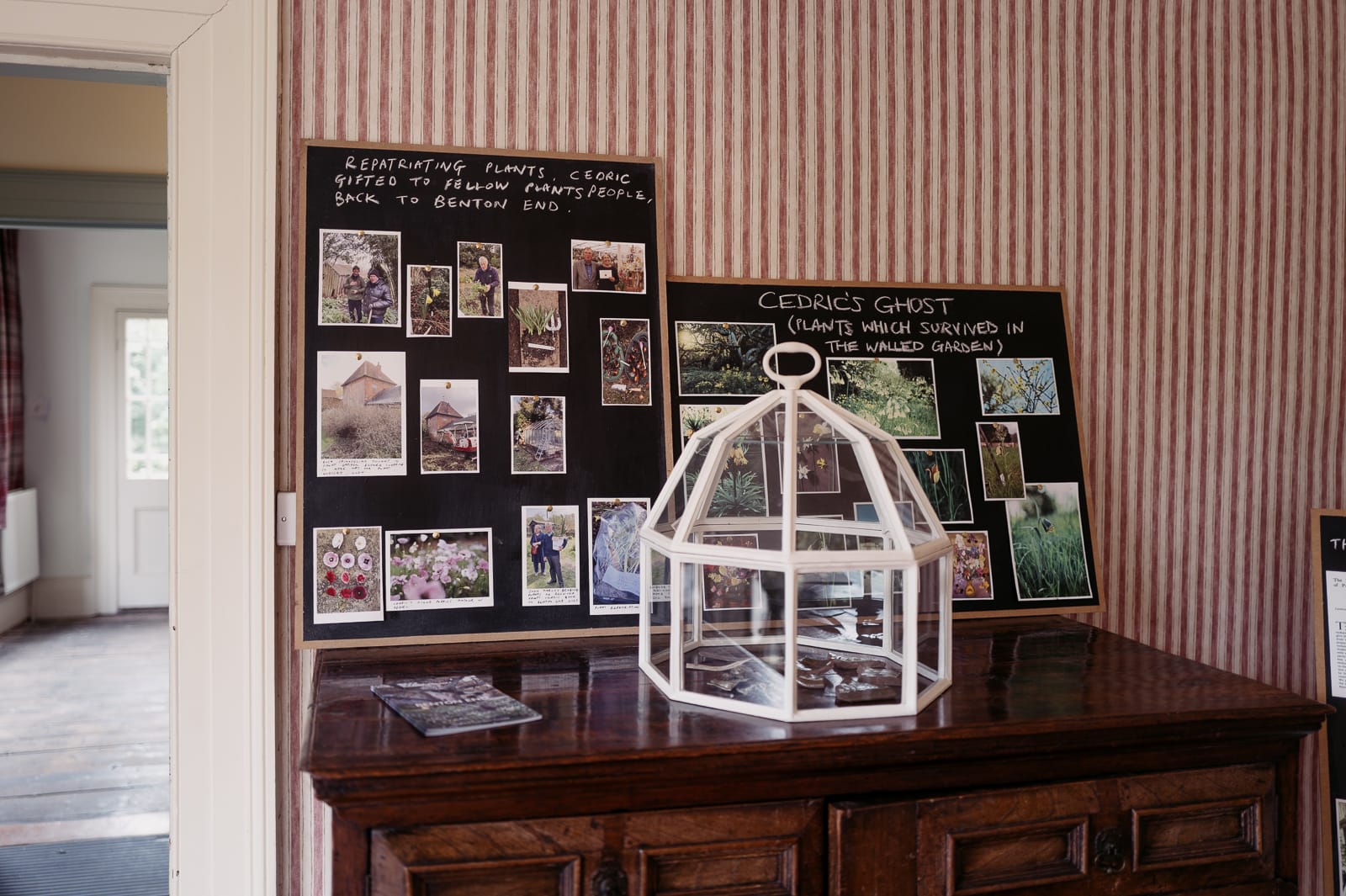
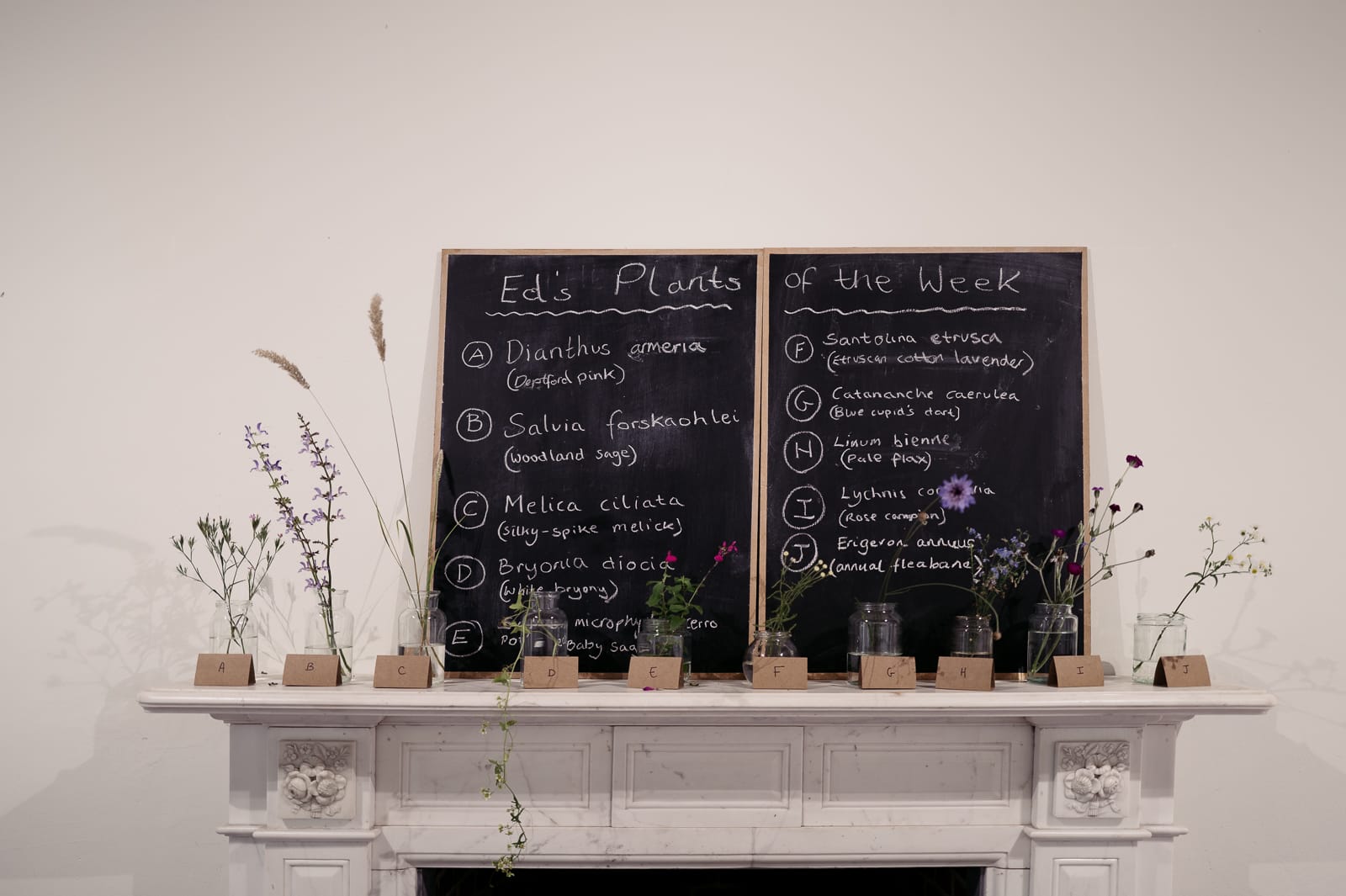
I think most gardeners unconsciously garden within the conventions of what they've seen or keep with what's familiar. There is an argument for tradition and convention, and it has its place, but a warmer, drier climate forces a conversation about resilience and adaptation. Benton End is a good example of borrowing time and understanding resilience through the plants (Cedric's Ghosts) that have survived with very little intervention.
I enjoy visiting gardens throughout the year, not only at their moment of performance because gardens exist for four seasons, not just the narrow window of summer when they are at their peak. Great garden designers give thought to this so I hope that Benton End will be in a position to expand its opening window through the seasons to enable this.
Further information:
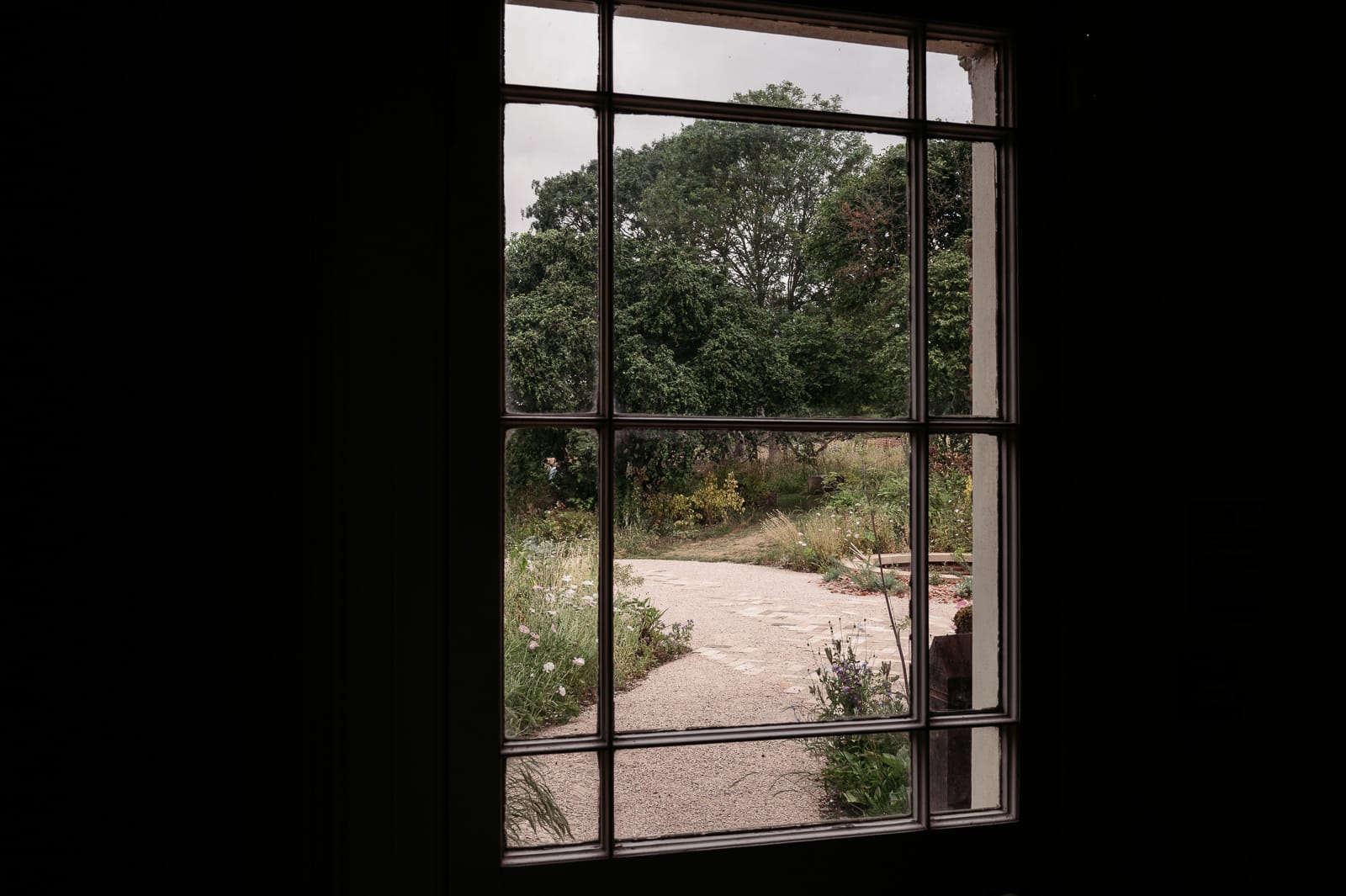
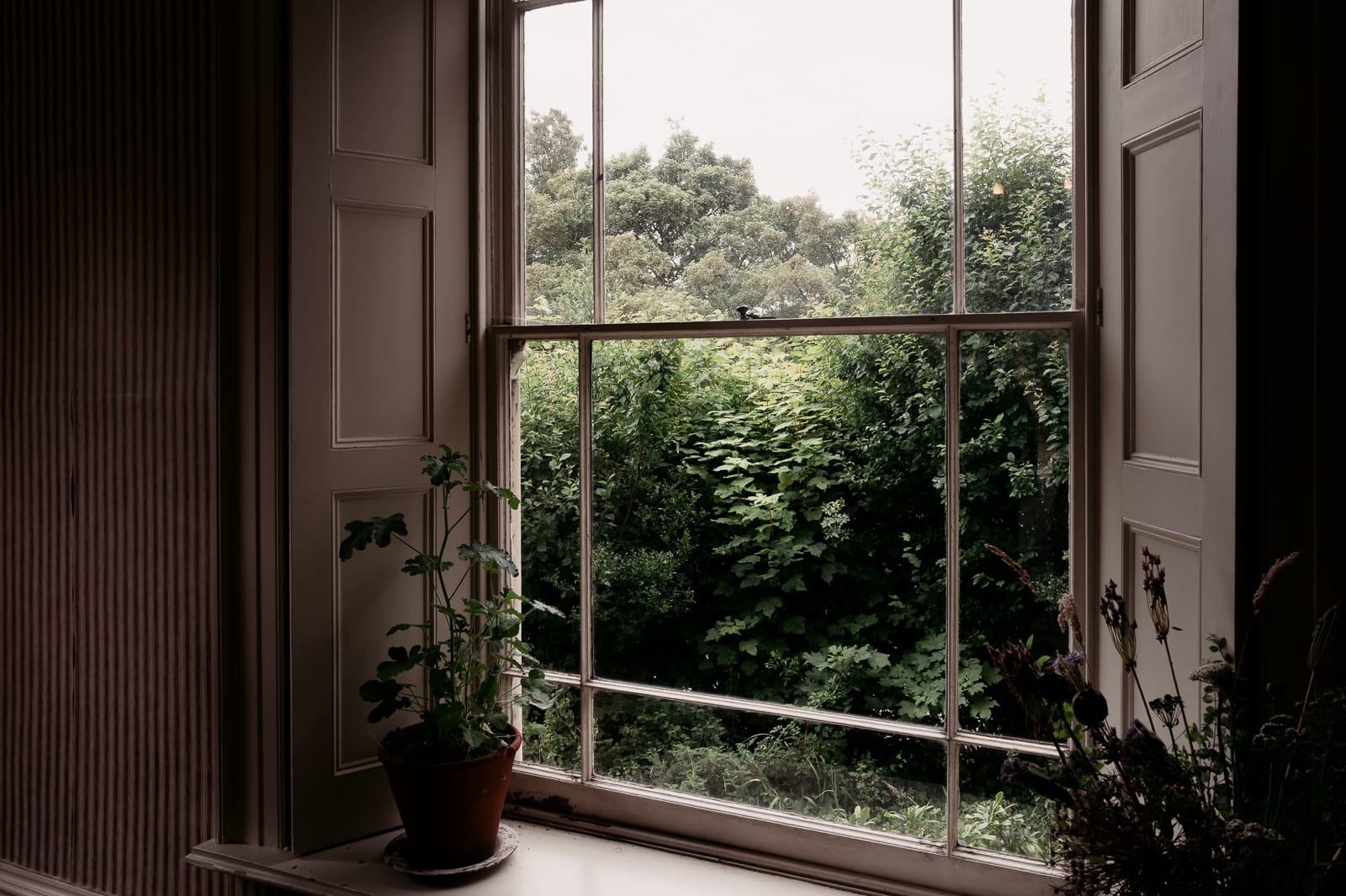
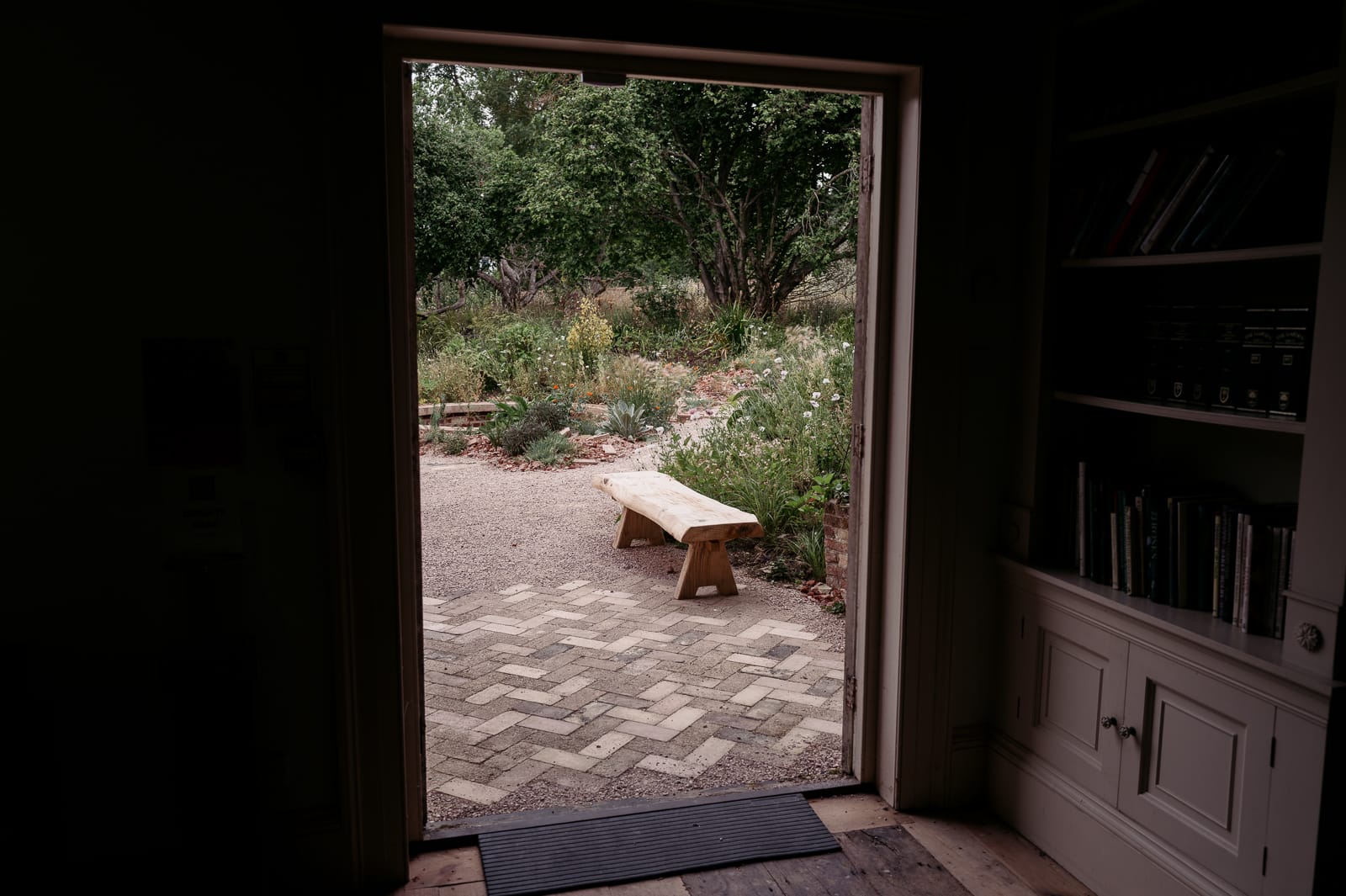
House, Views to Garden Aspects
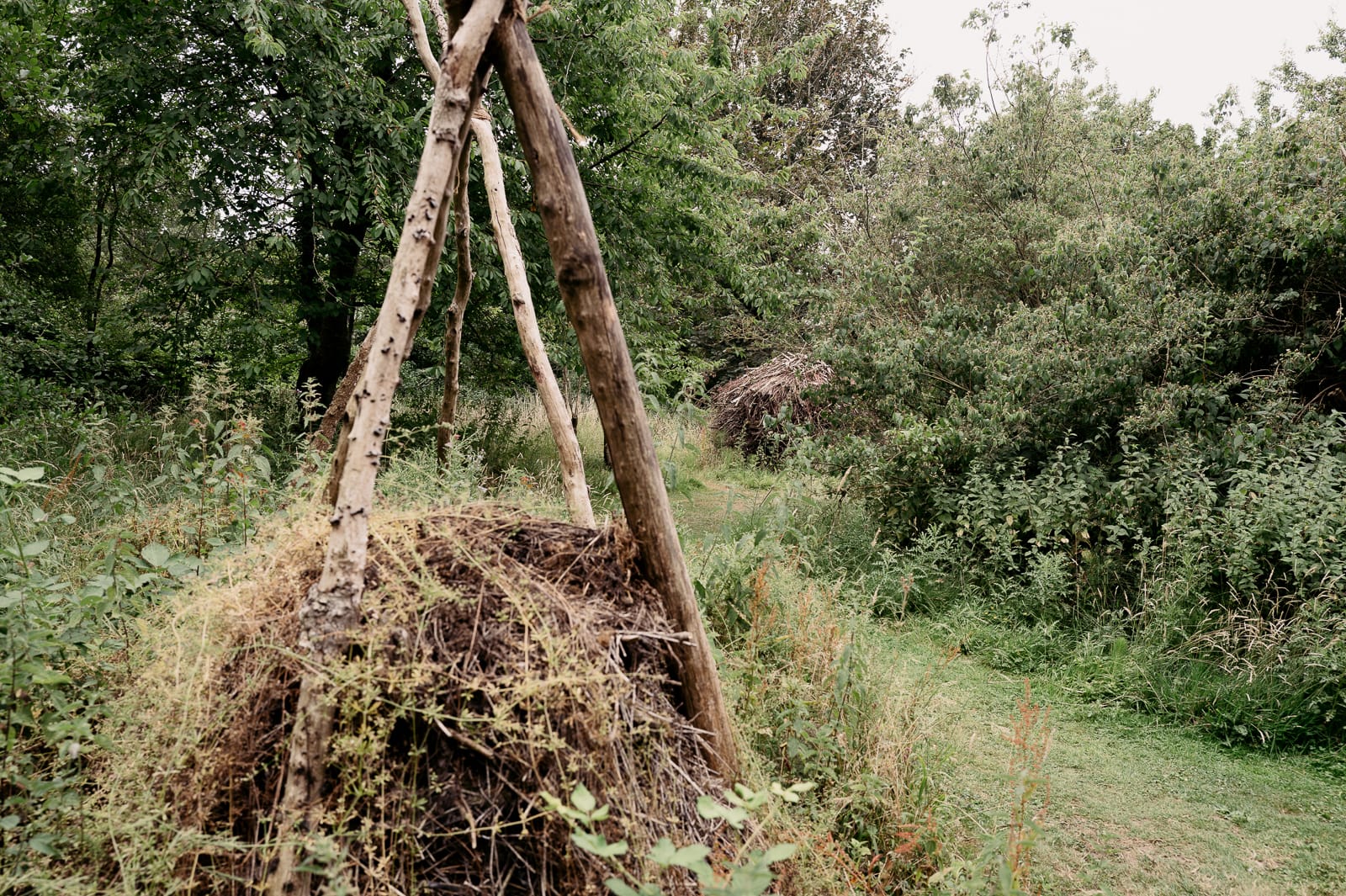
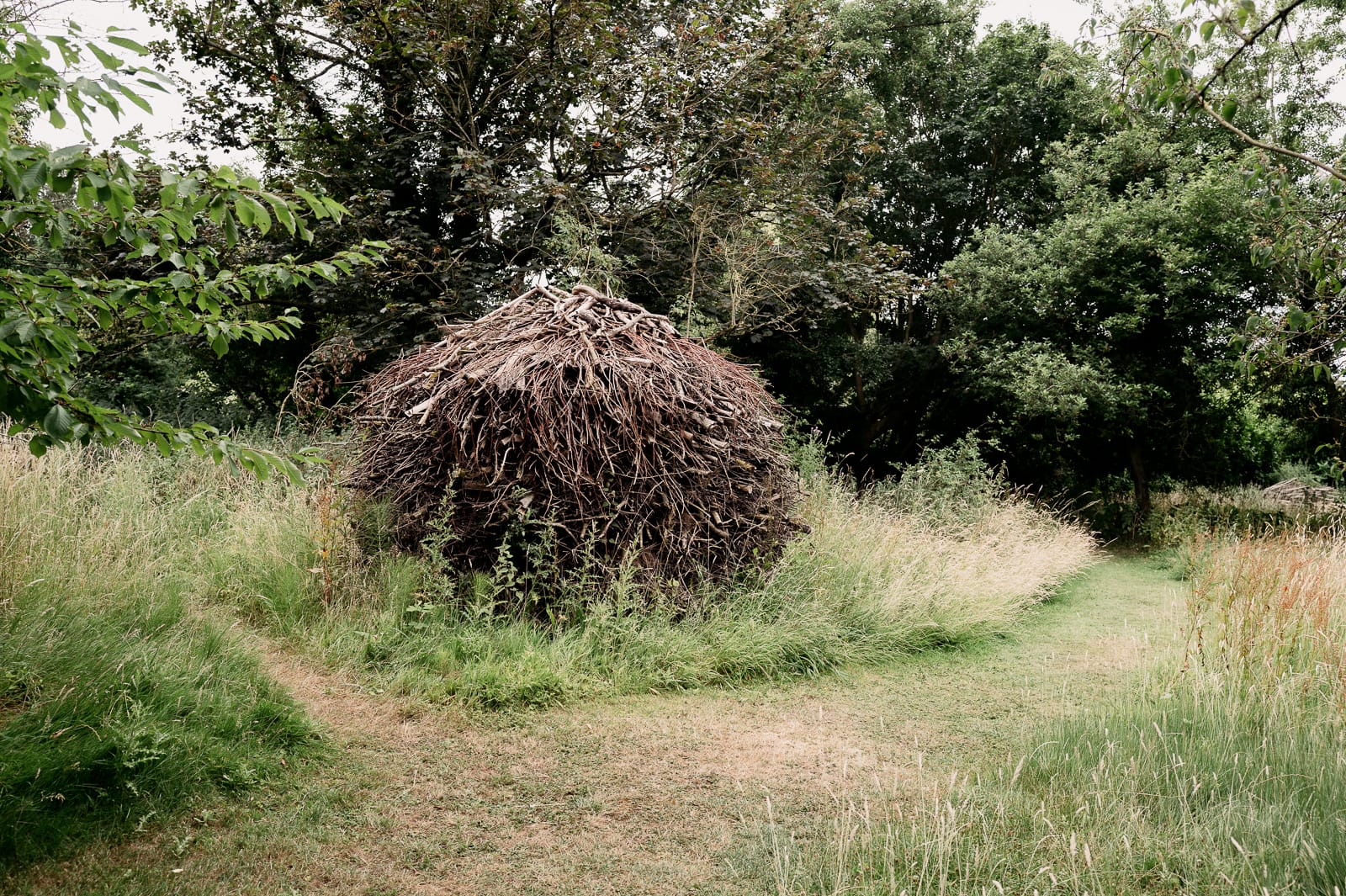
Biodiversity supported by multiple bug hotels and other habitat interventions across the site