
It's hard not to be drawn into the orbit (sic) of the Artemis II mission as positive news spectacle. I still find it incredible to consider that only 66 years separated Kitty Hawk from the Sea of Tranquility. Man reached the Moon with considerably less computing power than the device you're reading this on.
This boy's bluntly honest CNN interview captured the mood perfectly. In fact, I'll be disappointed if he wasn't on his la-z-boy chair with a cracked cold one in hand when the record for the farthest distance from Earth travelled by any human was set.
But then there's also something dissonant about a country that is pushing the frontiers of space whilst retreating from the bounds of reason in so many other spheres.
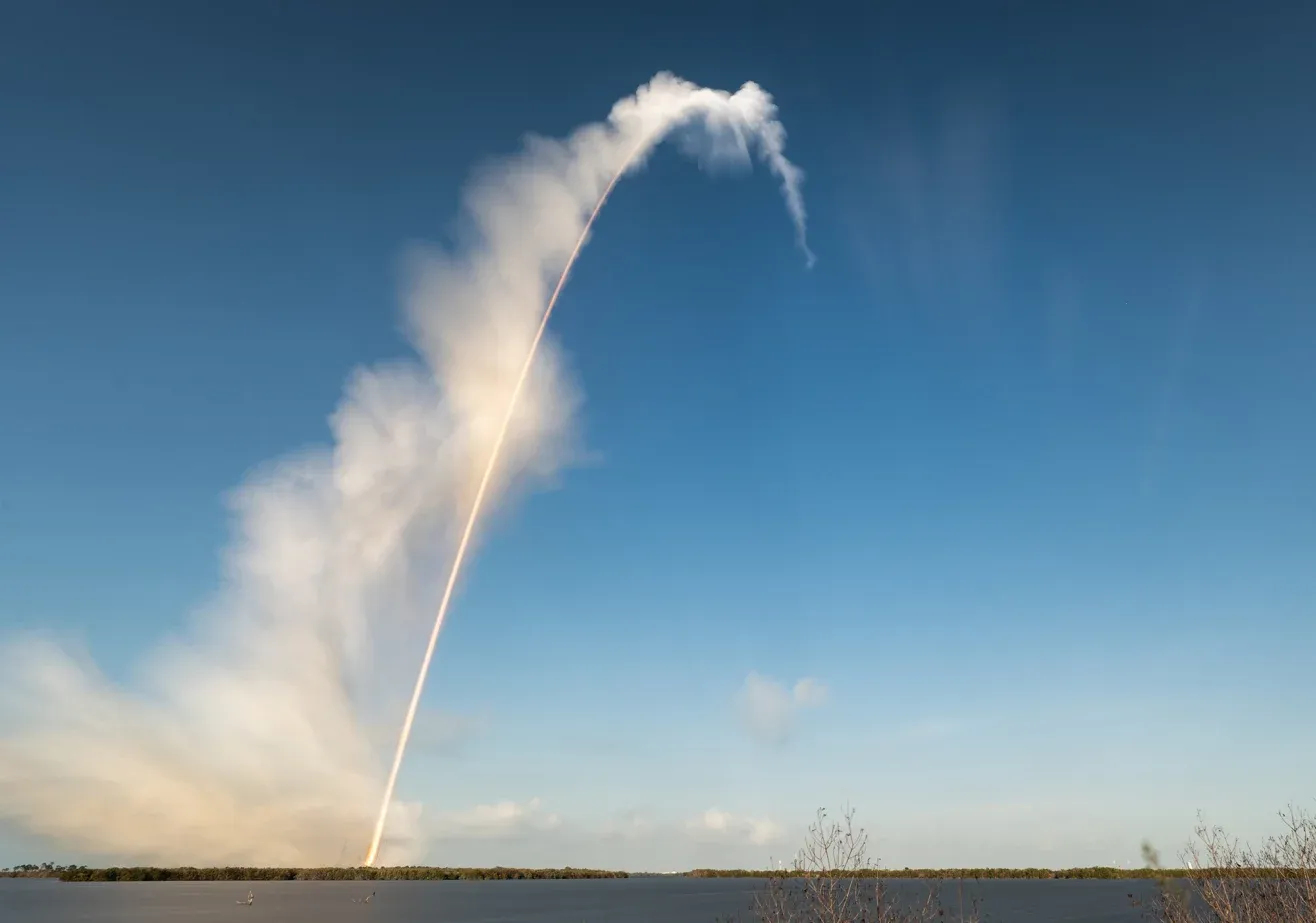
The original Space Race was before my time. But a nine-year-old in Africa undertaking a school project about space (with an abundance of tinfoil) didn't need to have lived through that time to feel the enormity of what it meant generations later. There is something that makes you feel simultaneously small and connected watching history unfold – knowing, in those captivating moments, that you are bearing witness to history.
The Moon landing in 1969 saw 600 million people watch simultaneously. One in six people alive on Earth, watching the same thing, at the same moment. Media fragmentation and differences in streaming metrics make it much harder to accurately quantify today, but I don't believe it created the same global collective experience.
But we live in an attention economy and celebrity-obsessed age where Cristiano Ronaldo — a footballer — garners 672 million Instagram followers and commands a salary and endorsement fees equivalent to the GDP of small nation states. The Kardashian family represents a staggering concentration of social media reach at circa 1.6 - 1.7 billion followers. There will be significant overlap across the family, but it's not unreasonable to posit that 10% of the world follow them. Famous for being famous and willing to do anything to stay that way. As Bette Midler observed in 2016: "Kim Kardashian tweeted a nude selfie today. If Kim wants us to see a part of her we've never seen, she's gonna have to swallow the camera."
Of the top 50 most followed accounts, only two relate to STEM — NASA and National Geographic. Combined, they barely exceed half of Ronaldo's follower count. A crude proxy, perhaps, but as measures go, it says something uncomfortable about what we actually value.
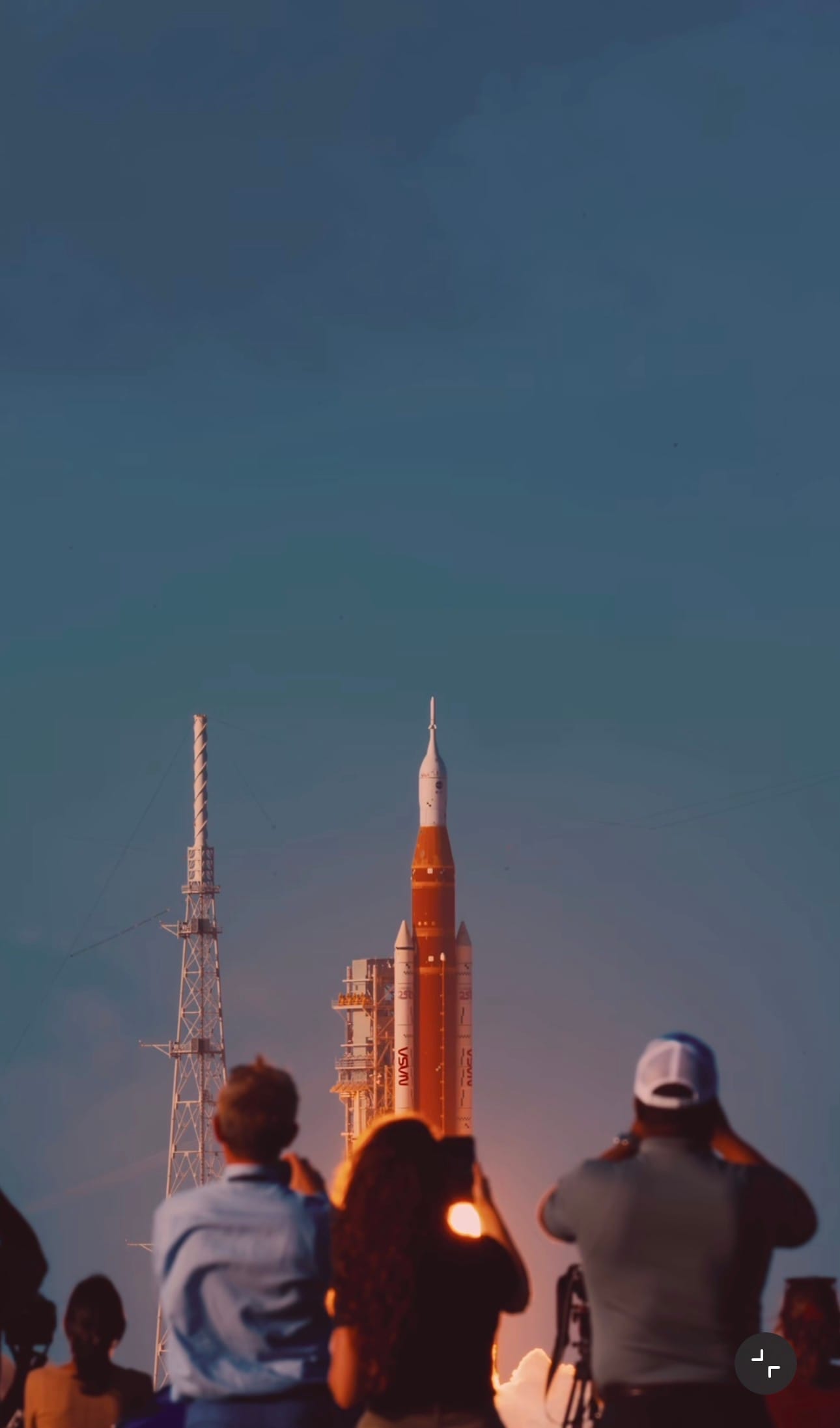
I wonder if we have become anaesthetised to the spectacle of human progress and endeavour given the relentless rate of technological progress we experience today. Musk's talk of colonising Mars feels grander and perhaps more fitting in the progression of space ambition, yet somehow less visceral and more fictional than what came before. The audacity of the idea has dissolved into a panoply of press releases and the divisiveness of its architect. I will be surprised if Mars is colonised in my lifetime.
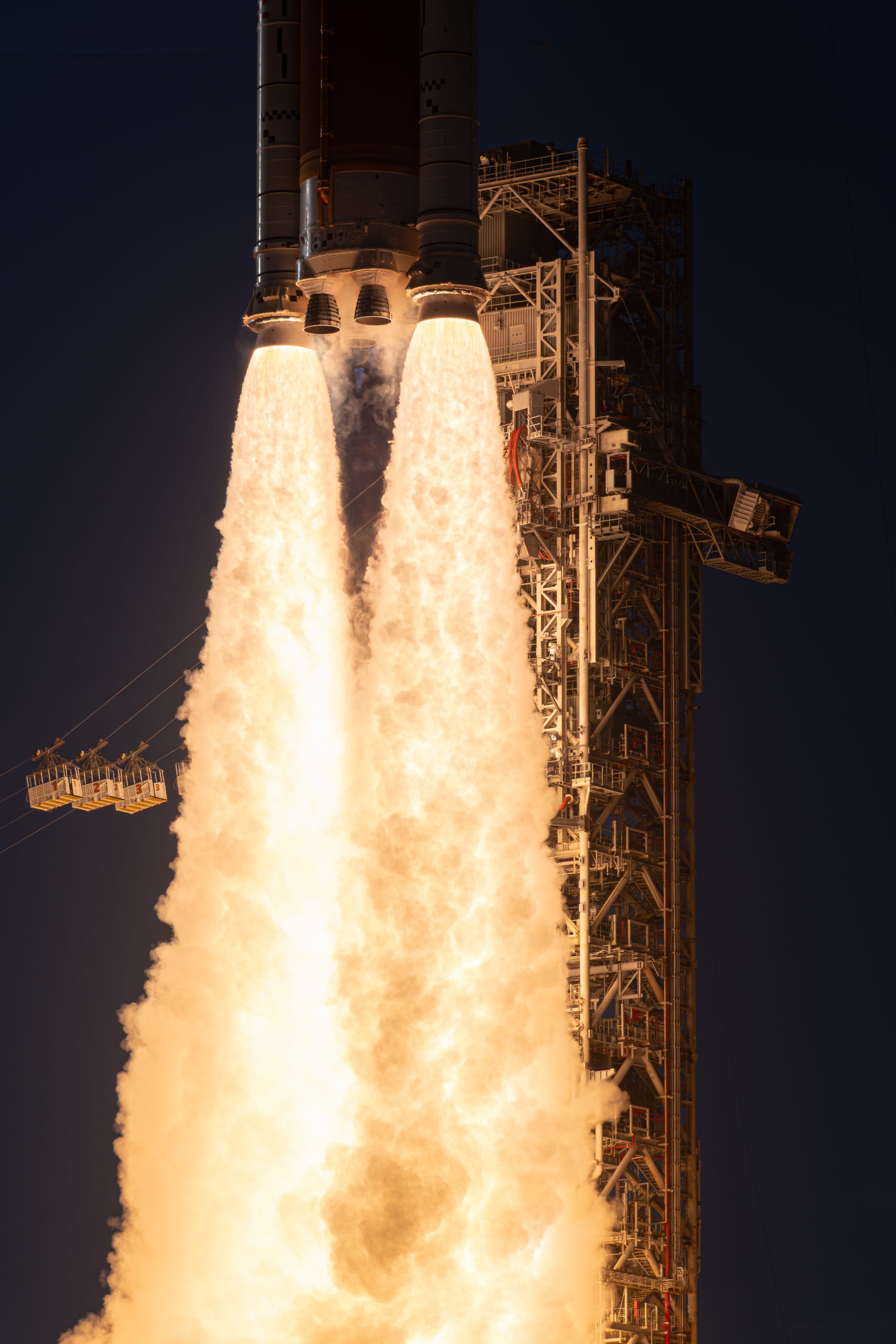
This video of the launch by Jared Saunders reminds me of Paul Fusco's JFK work - I think the grading evokes the Kodachrome emulsion so prevalent of the time of the 1969 moon landing. But it also has an emotional resonance which captures the duality of participant and witness - it helps you to feel what it was like to be there.
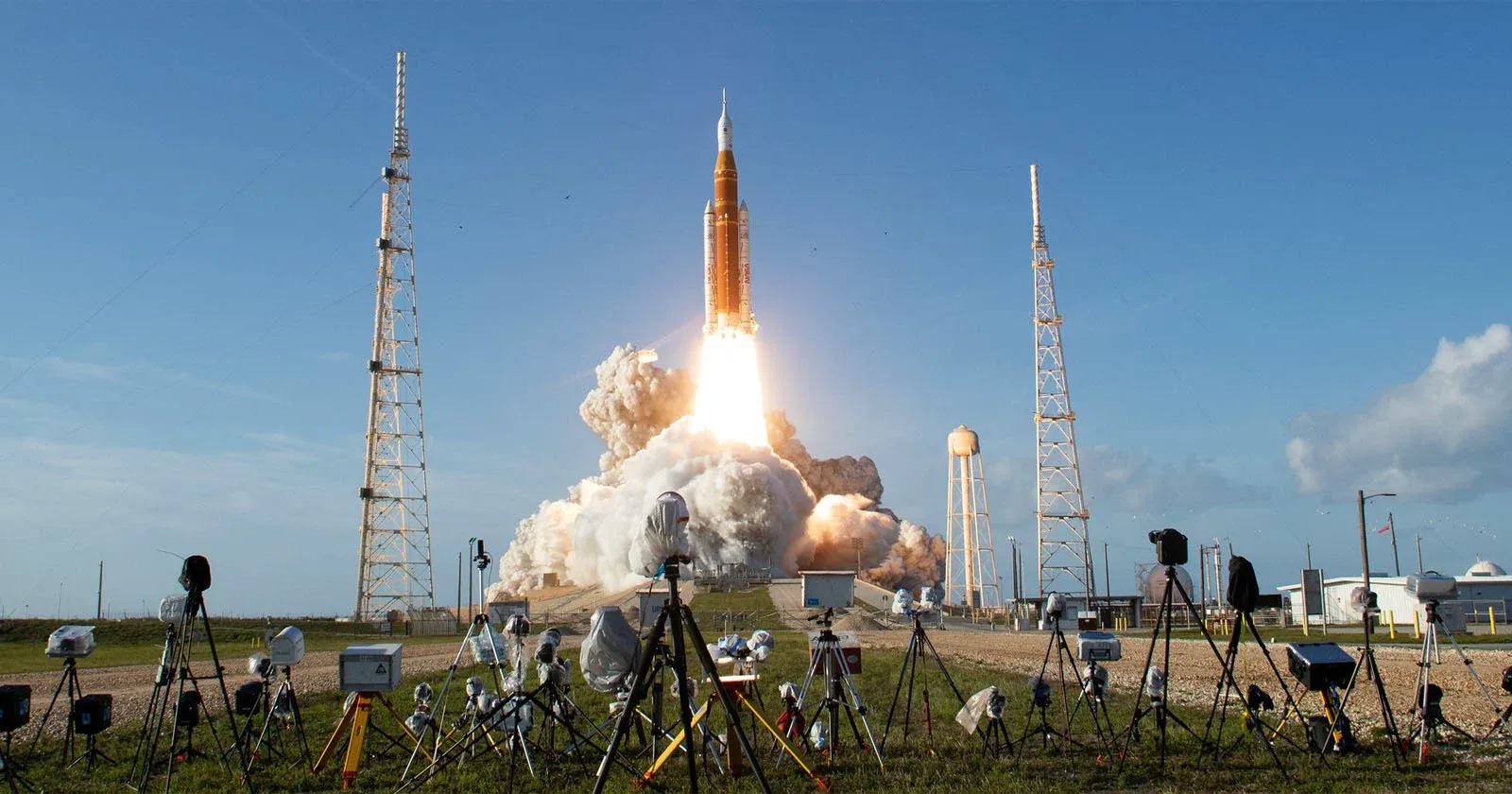
Underpinning all of this is, of course, science, and one of the wonderful things about science is that it transforms curiosity into knowledge. Our understanding advances, even when we're wrong. Science has extended life, connected the world and taken us beyond it. It doesn't demand faith or belief, it exists on the basis of fact and evidence alone. It is self-correcting and thrives on revision, disagreement even.
As I have watched the astronauts undertake their observations and interact with the flight controllers, there was no arrogance or ego. Just wonderment, curiosity, humility and teamwork.
The Artemis programme has cost circa US$100 billion and has persisted across three US administrations. It is a number that invites obvious questions - we have been to the Moon before yet we understand so little of our own planet and given the scale of human suffering, could this contribute to quality of life and alleviation in some form? All valid questions. Less than 20% of the world's oceans have been mapped to any meaningful resolution. The deep sea remains more alien to us than the lunar surface. There are arguments, not unreasonable ones, for redirecting that ambition.
And yet there is something the astronauts who leave Earth understand that the rest of us only glimpse - the overview effect. The sudden, overwhelming recognition, seen from distance, that the planet is a single, fragile, borderless thing. That the lines we draw on it are artificial. Every astronaut who has looked back has described some version of the same experience: a shift, irreversible, in how small our disagreements seem against the fact of the thing itself.
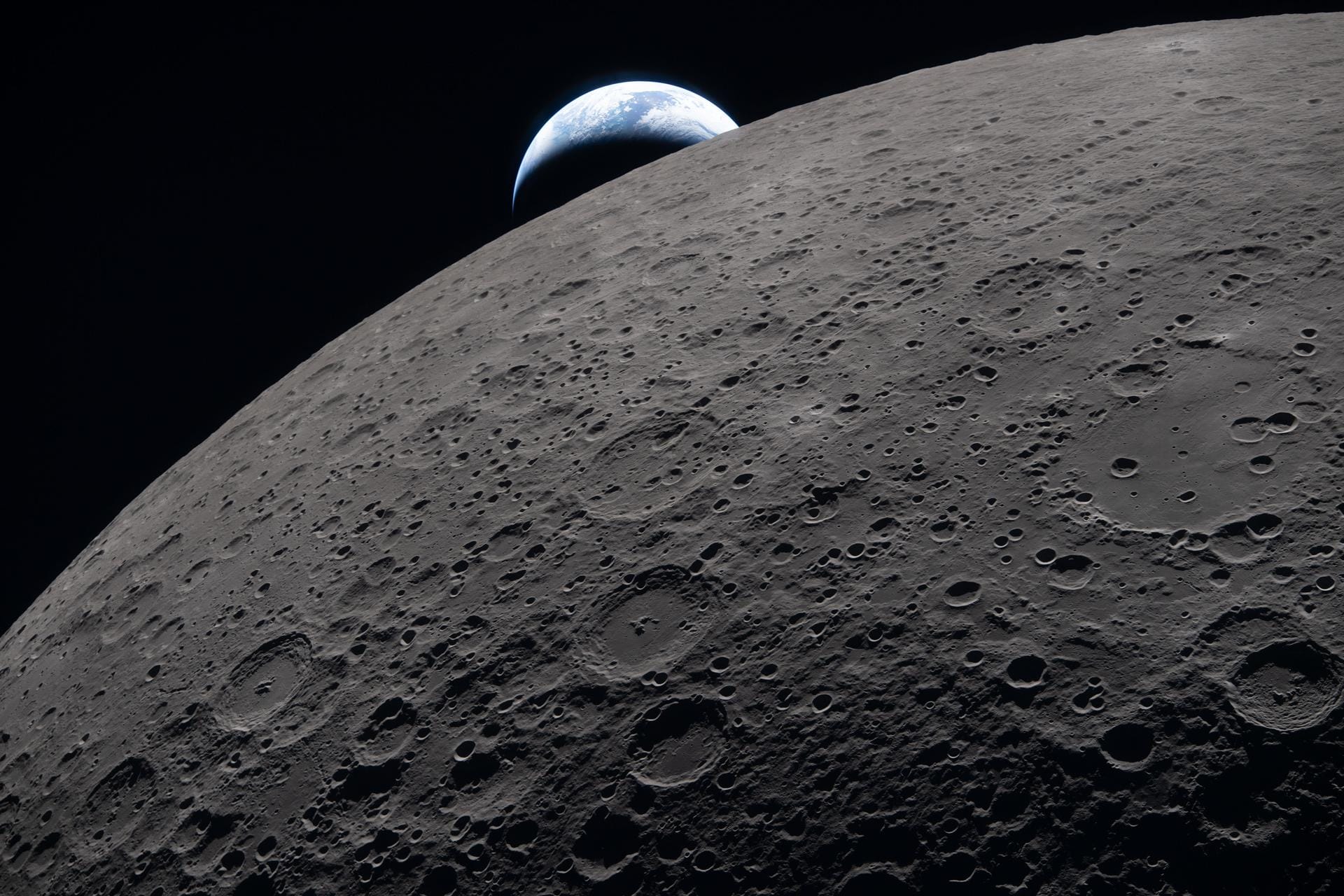
Perhaps that is the argument for going. Not conquest, not competition but the reminder, paid for at extraordinary cost, that there is something worth coming back to.


